


Exfoliation advice is everywhere, and almost all of it contradicts itself. Some sources say once a week. Others say twice. A few say daily is fine if the formula is right. The disagreement isn't about preference. It comes down to a real distinction in how different exfoliants work. As a result, understanding that distinction makes the daily or monthly exfoliation question much easier to answer.
That distinction also changes, however, how you think about which products belong in your routine.
What Exfoliation Actually Does
Skin replaces its outermost cells roughly every 28 days. That cycle slows considerably as women move through their forties, stretching to 45 days or more. Dead cells accumulate on the surface and block the absorption of every product that follows. Dullness, uneven texture, and stubborn dark spots are often the visible result of that buildup. That's not a sign that your products aren't working. It's a sign that dead cells are getting in the way.
Exfoliation clears that layer. It supports the skin's natural renewal process and restores the surface that serums, moisturizers, and treatments need to work against. In short, no other skincare step performs as well without it.

Why Frequency Depends on the Formula
Traditional chemical peels use high concentrations of acid. For that reason, they require recovery time. Redness, peeling, and sensitivity in the days after application are common outcomes. Weekly or monthly use is the practical ceiling because the skin needs time to rebuild between sessions.
Daily exfoliants work differently. Formulas designed for everyday use deliver lower concentrations across a consistent schedule instead of spiking at high intensity. The cumulative effect over a 28-day cycle matches what a single aggressive treatment produces. Furthermore, there's no downtime, no recovery window, and no barrier disruption to manage. The key variable isn't how often you exfoliate. It's whether the formula was built for daily use.
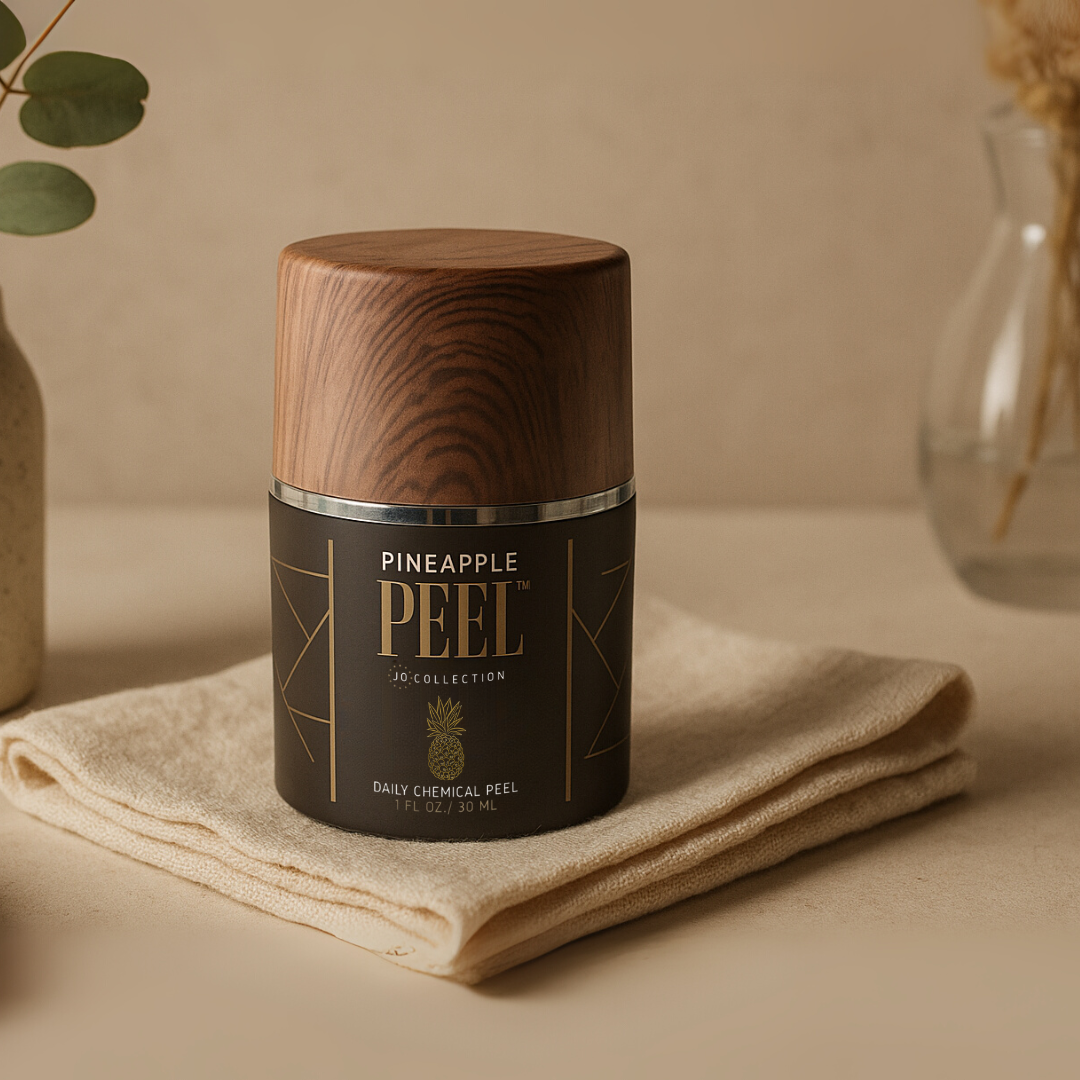
How the Pineapple Peel Fits the Daily Model
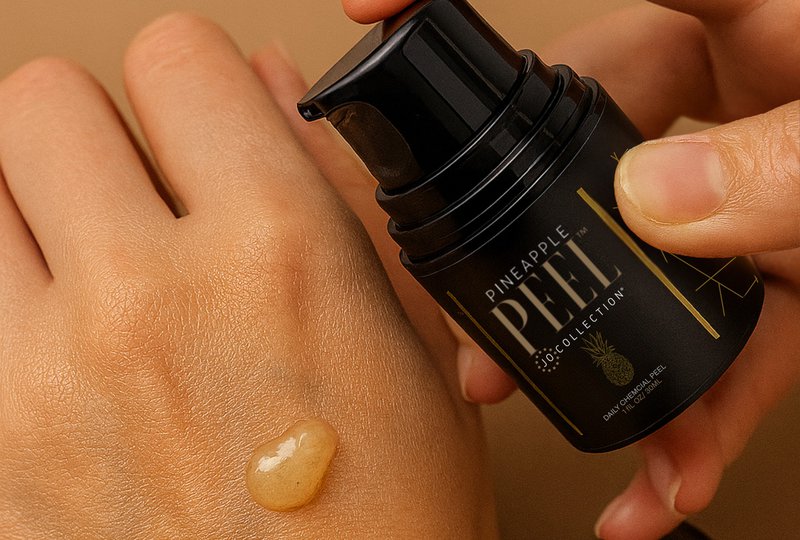
The Pineapple Peel is a leave-on daily exfoliating serum. Its formula combines 10% glycolic acid (an alpha hydroxy acid or AHA), lactic acid, salicylic acid (a beta hydroxy acid or BHA), retinol, hyaluronic acid, squalane, aloe, and green tea. Together, these ingredients address the surface, the pores, and the deeper signs of aging in one step, with no rinsing required.
The formula is also self-neutralizing. That means the skin's own pH stops the exfoliation process naturally, with no second application needed. By contrast, some peel systems require a separate neutralizing step to stop the acid. The self-neutralizing design eliminates that risk.
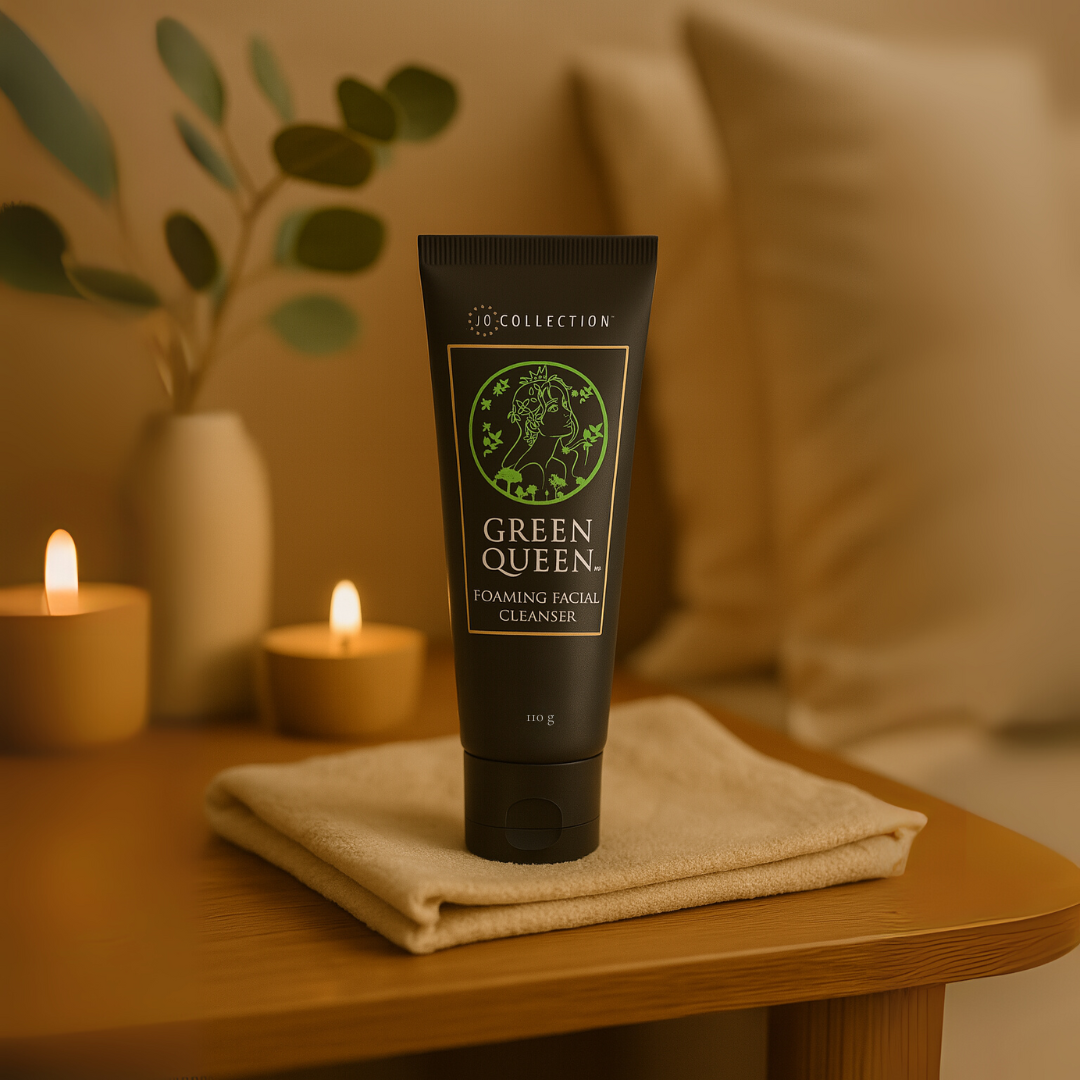
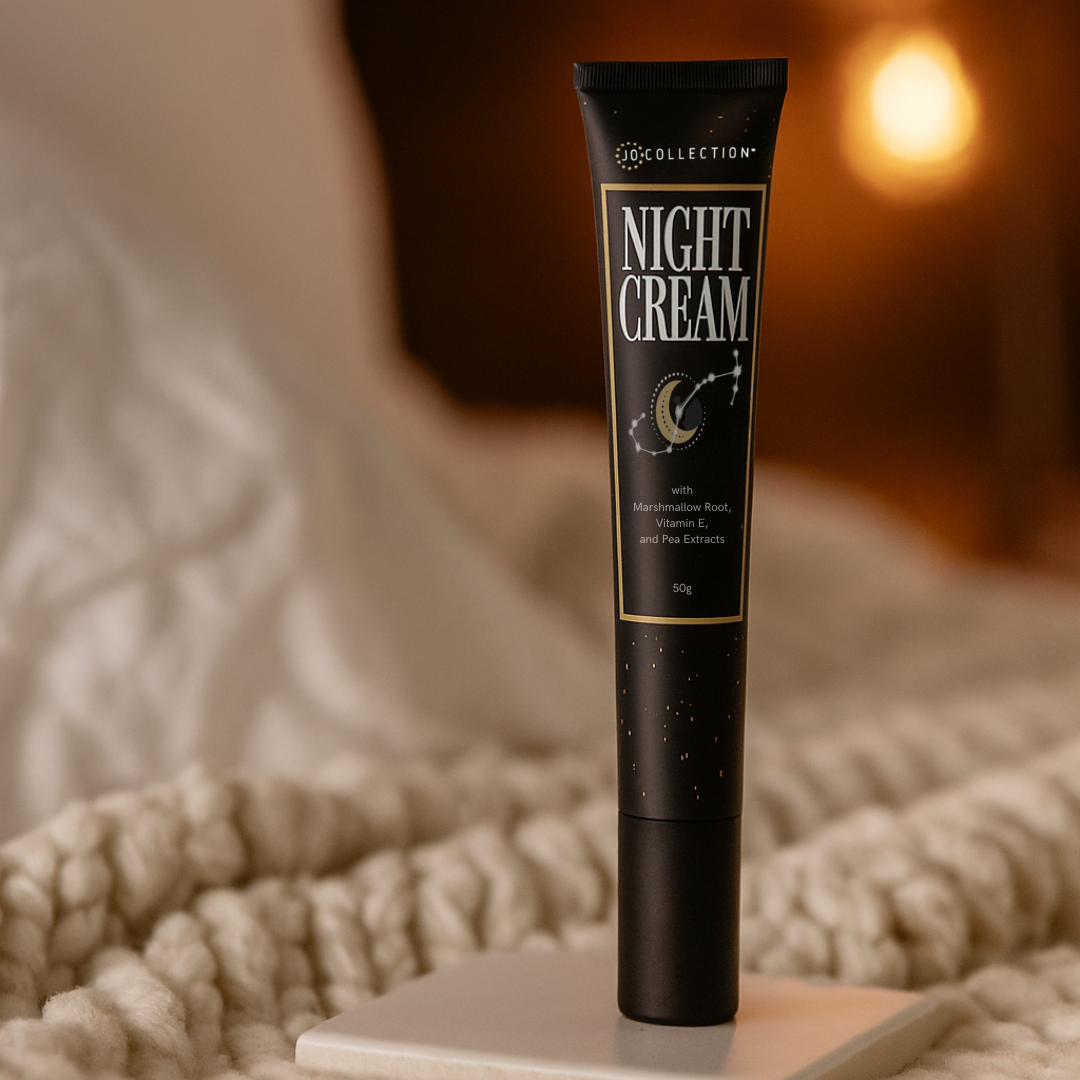
The American Academy of Dermatology notes that more aggressive exfoliants require less frequent use. Gentler formulas, instead, allow for more consistent application. The Pineapple Peel is built around that principle. An independent third-party study found that 96% of users saw healthier-looking skin. As a result, the Jo Collection Nighttime Essentials Kit builds the Pineapple Peel into a nightly three-step sequence. That sequence also includes the Green Queen Foaming Facial Cleanser and the Hydrating Night Cream.
What Daily Exfoliation Looks Like Over Time
Nightly use keeps the skin's surface clear. Every product applied before or after can penetrate more effectively as a result. Fine lines appear less pronounced when dead cell buildup is consistently removed. Dark spots also fade more predictably when the renewal cycle runs on schedule.
Peer-reviewed research confirms that AHAs like glycolic and lactic acid enhance skin renewal by improving texture and stimulating collagen synthesis. Similarly, consistent use over time produces measurable improvement in tone and surface quality that a single-session peel cannot replicate.
Most users find the light tingle after application normal and comfortable. For sensitive skin, starting every other night and building to nightly use over the first week is a practical approach.
Weekly, Daily or Monthly Exfoliation: The Trade-Off Each Frequency Makes
Weekly, daily or monthly exfoliation will produce varying results. It also asks more from the skin each time. Higher concentrations trigger more visible recovery. The skin cycles between damage and repair in a way that daily use avoids.
Daily exfoliation at the right concentration keeps the skin in a consistent state of renewal. It works with the 28-day skin cycle rather than overriding it. The benefit compounds quietly over weeks instead of arriving in bursts separated by recovery periods. For women who can't schedule recovery time around their skincare, daily exfoliation with a self-neutralizing formula isn't a compromise. It's ultimately the better model. Contact us and learn more about the Pineapple Peel and whether daily exfoliation fits your routine.