


Dark spots that linger for months after a breakout, patches that look darker than the surrounding skin, or a complexion that looks uneven regardless of what you apply over it: these are some of the most frustrating skincare concerns to address because they develop slowly and fade even more slowly. Most women dealing with them describe the problem in practical terms, not clinical ones. What they want is a practical answer. Even skin tone is achievable, but getting there requires understanding what is driving the discoloration and addressing it consistently.
What Uneven Skin Tone Actually Is
Hyperpigmentation is the clinical term for uneven skin tone. It develops when melanin, the pigment that gives skin its color, concentrates in specific areas rather than distributing evenly. Sun exposure triggers melanocytes to overproduce melanin in targeted areas over cumulative years of ultraviolet (UV) contact. Post-inflammatory hyperpigmentation follows almost any skin injury: a healed breakout, a scratch, or a bug bite can all leave a dark mark that outlasts the original irritation. Hormonal fluctuations, particularly those related to pregnancy or certain oral contraceptives, produce broader, more diffuse darkening patterns across the face.
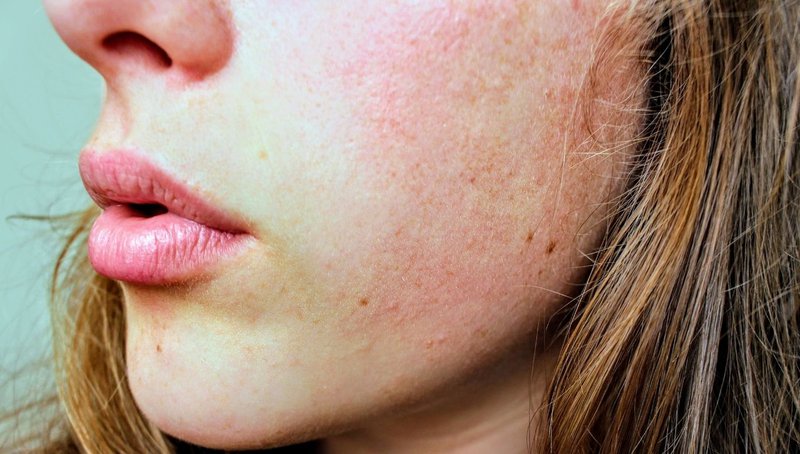
In each case, the skin's natural 28-day cell renewal cycle is what gradually fades surface hyperpigmentation over time. As pigmented surface cells shed and lighter new cells replace them, tone becomes more even. With age, however, that cycle slows. Pigmented cells stay at the surface longer, and marks that faded quickly in younger skin start to linger.
Why Exfoliation Is the Foundation for Even Skin Tone
Speeding up cell turnover is the most direct way to move pigmented cells off the surface faster. Alpha-hydroxy acids (AHAs) like glycolic acid and lactic acid break down the bonds between dead surface cells and accelerate shedding. That process moves discolored cells out of the way more quickly than they would go on their own. In addition, salicylic acid, a beta-hydroxy acid (BHA), works inside the pore. It addresses the post-inflammatory congestion that contributes to discoloration after breakouts.
Consistent daily exfoliation outperforms periodic high-intensity treatments for this goal. The 28-day renewal cycle never stops, and keeping pace with it nightly produces better cumulative results than disrupting it in infrequent sessions.
How Kojic Acid Targets the Source of Discoloration
Exfoliation clears pigmented cells at the surface. Kojic acid addresses the process that creates them. Research published in PMC confirms that kojic acid reduces discoloration by inhibiting tyrosinase activity, the enzyme responsible for triggering melanin production. By interrupting that process, kojic acid reduces the formation of new pigmentation rather than only clearing what already exists at the surface.
Additional research from PMC documents that kojic acid and its derivatives inhibit both tyrosinase activity and melanin formation in controlled studies, supporting its role as a well-established brightening ingredient in topical formulas. Kojic acid is also a naturally occurring compound found in pineapple, which connects directly to the sourcing behind the Jo Collection Pineapple Peel.
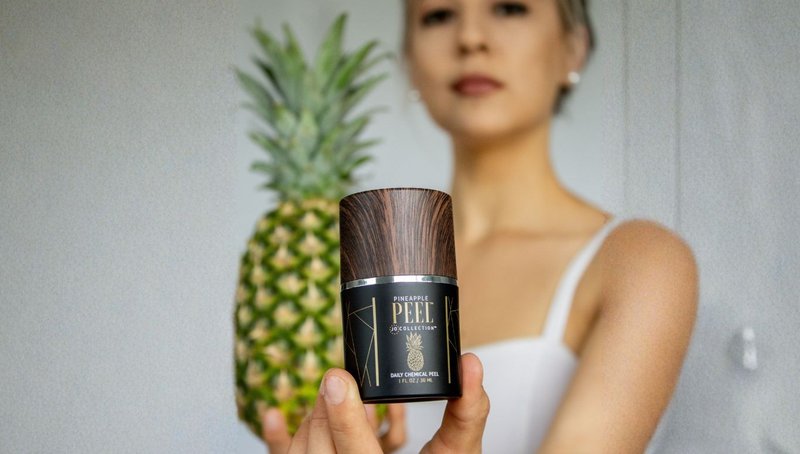
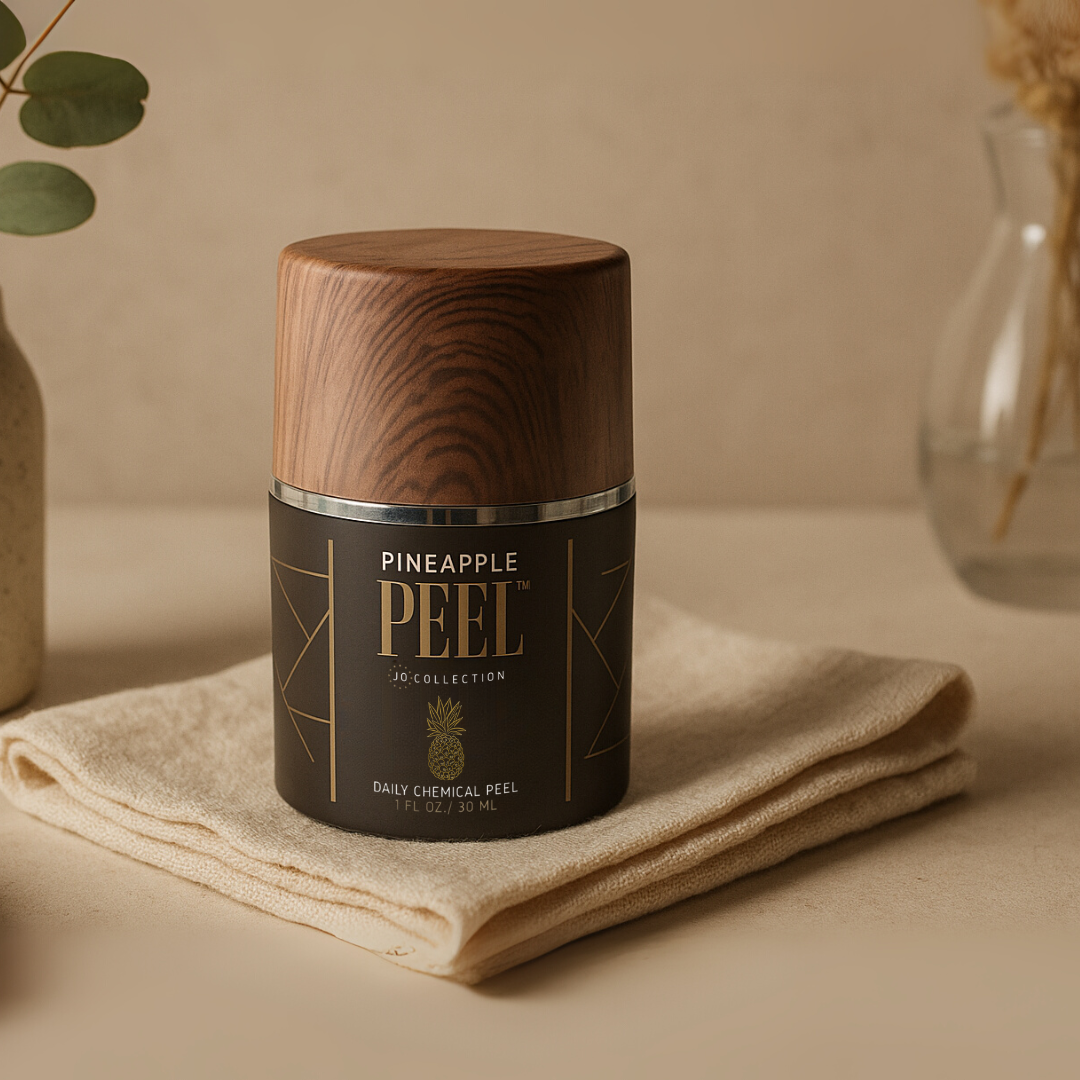
Using the Pineapple Peel, kojic acid works alongside the AHA/BHA exfoliating blend at two levels. The exfoliating acids accelerate the removal of accumulated pigmented surface cells. The kojic acid addresses the melanin production process going forward. Together, they treat both the symptom and the source. The self-neutralizing formula requires no rinsing and suits daily leave-on use, delivering that combination every night without downtime.
The Timeline That Even Skin Tone Requires
Meanwhile, hyperpigmentation develops over time, and it takes time to fade. A dark mark from a breakout two months ago will not resolve in a week of treatment. Visible improvement typically begins at the four-week mark with consistent daily use. Deeper or older pigmentation takes additional cycles. That timeline reflects how skin biology works, not a limitation of the formula.
In a 28-day in-home consumer study (n=48), 96% of participants saw healthier-looking skin by day 28. The Pineapple Peel met or exceeded database averages for comparable leave-on exfoliators on key measures including gentle exfoliation and lasting hydration.
The Nightly Routine That Supports the Goal
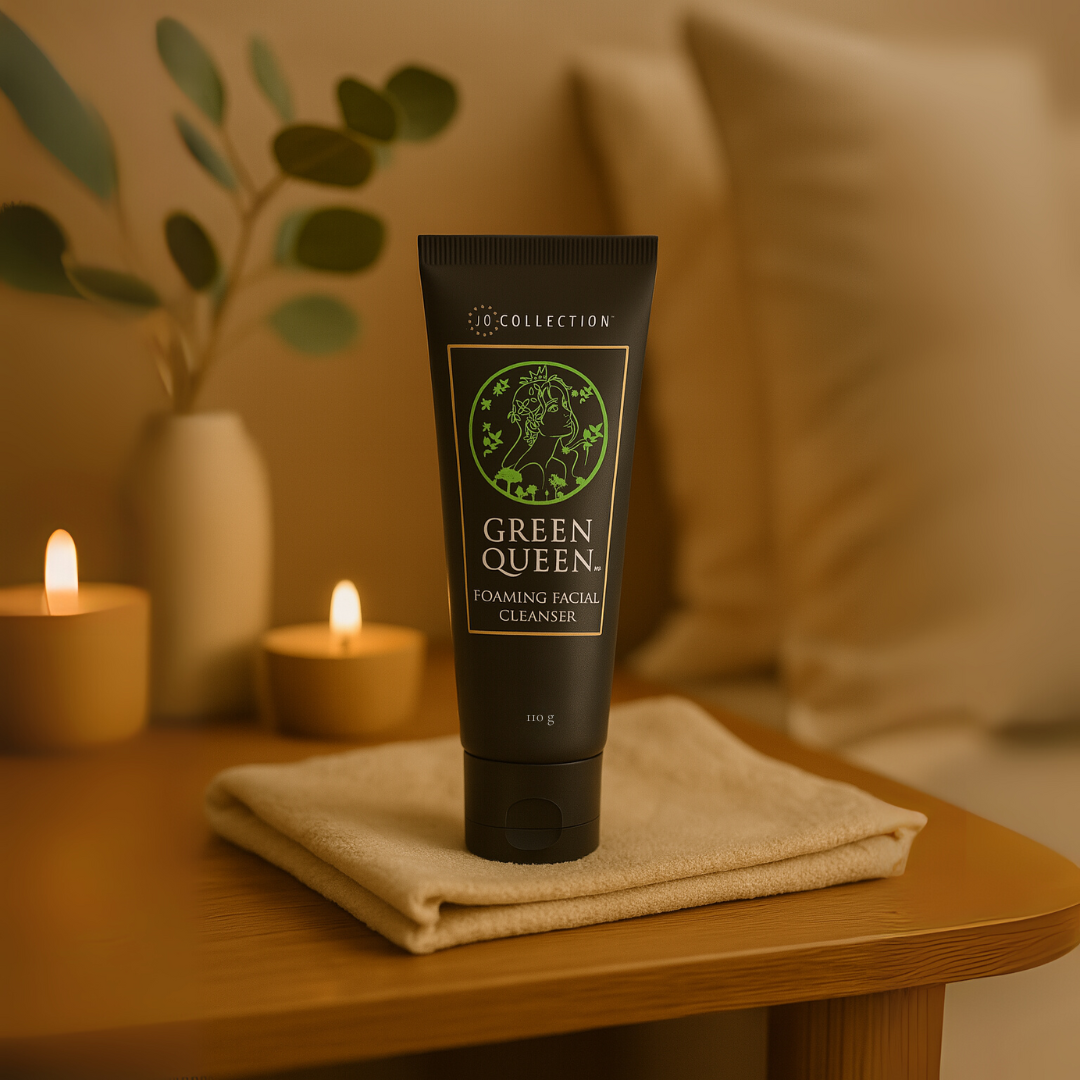
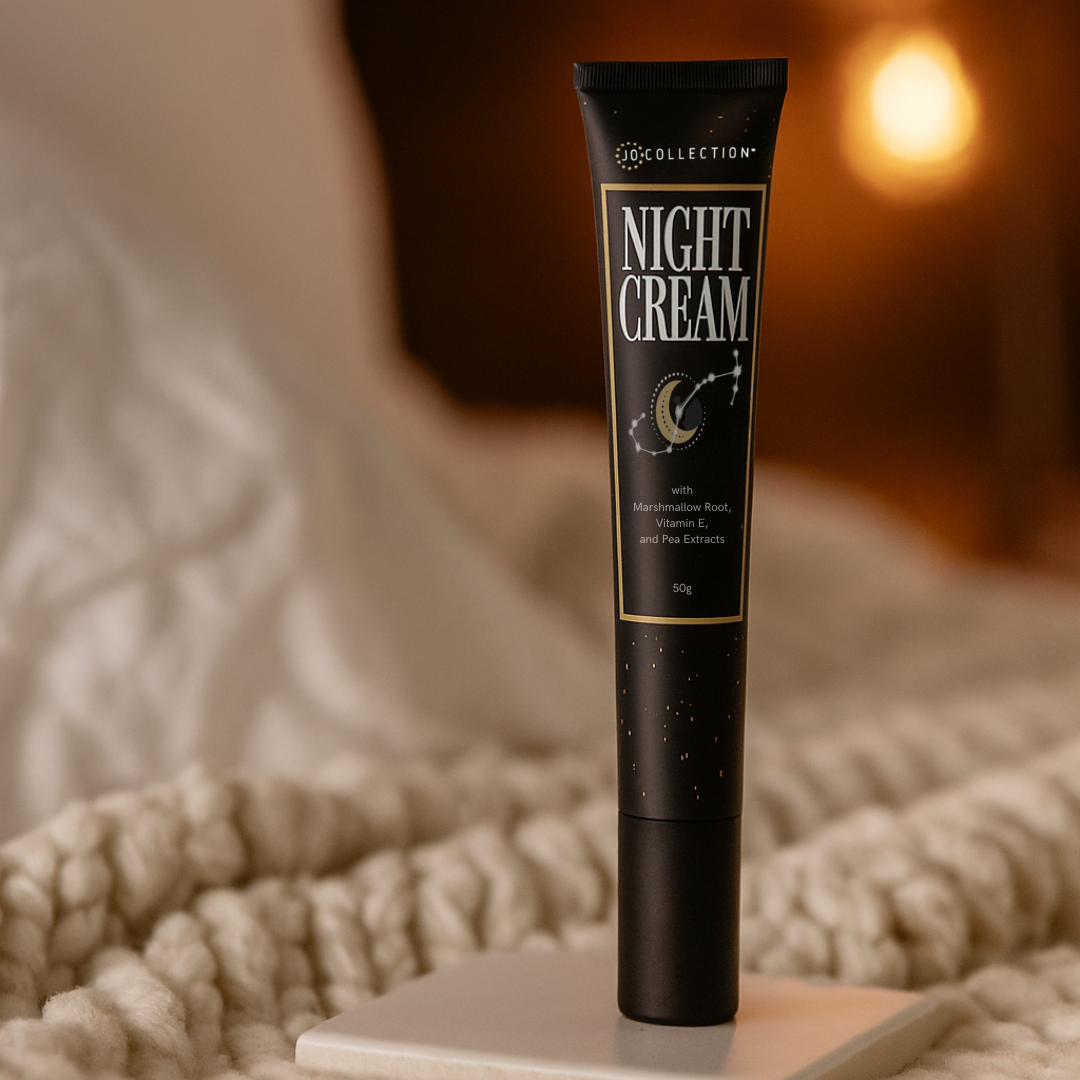
Exfoliation works best within a complete system. The Jo Collection Green Queen Foaming Facial Cleanser removes daily buildup without irritating skin that is working to recover. The Pineapple Peel follows to exfoliate and support melanin balance. The Jo Collection Hydrating Night Cream seals in hydration and supports the barrier overnight. Daily sun protection factor (SPF) during the day is equally essential. Ongoing UV exposure continues triggering melanin production and directly offsets nighttime progress.
Even skin tone takes patience and consistency. Start with the Pineapple Peel, commit to a full 28-day cycle, and let each renewal cycle build on the last. The skin that comes forward is worth the wait.