
Damaged skin, reactive products, and a barrier that stopped doing its job pushed Leah Ward into cosmetic chemistry research. She came to it not as a skincare professional but as a lawyer. Earlier, she compromised her own skin barrier using an aggressive facial cleansing brush paired with a dermatologist-prescribed treatment. Consequently, she approached the damage the way she tackles every problem: by building a case from evidence. That drive made her the Jo Collection founder, and it shapes every product the brand makes today.
How the Jo Collection Founder Story Began
The damage hit hard and fast. Leah's skin barrier, the layer that locks in moisture and keeps irritants out, broke down. Products she had used for years without issue began to cause redness and irritation. Her skin lost its ability to hold hydration between applications. Rather than swapping products at random and hoping for better results, she treated the problem like a legal case that needed building from the ground up.
She enrolled in cosmetic chemistry courses to understand the science behind what she had been using. Then, Leah studied peer-reviewed research on skin barrier repair, active ingredients, and the mechanisms behind irritation. In addition she mapped out the difference between what skin needs to heal itself and what was actively slowing that process down. That research took months. By the end of it, she had a clear picture of what a formula would need to do differently from everything she had tried.
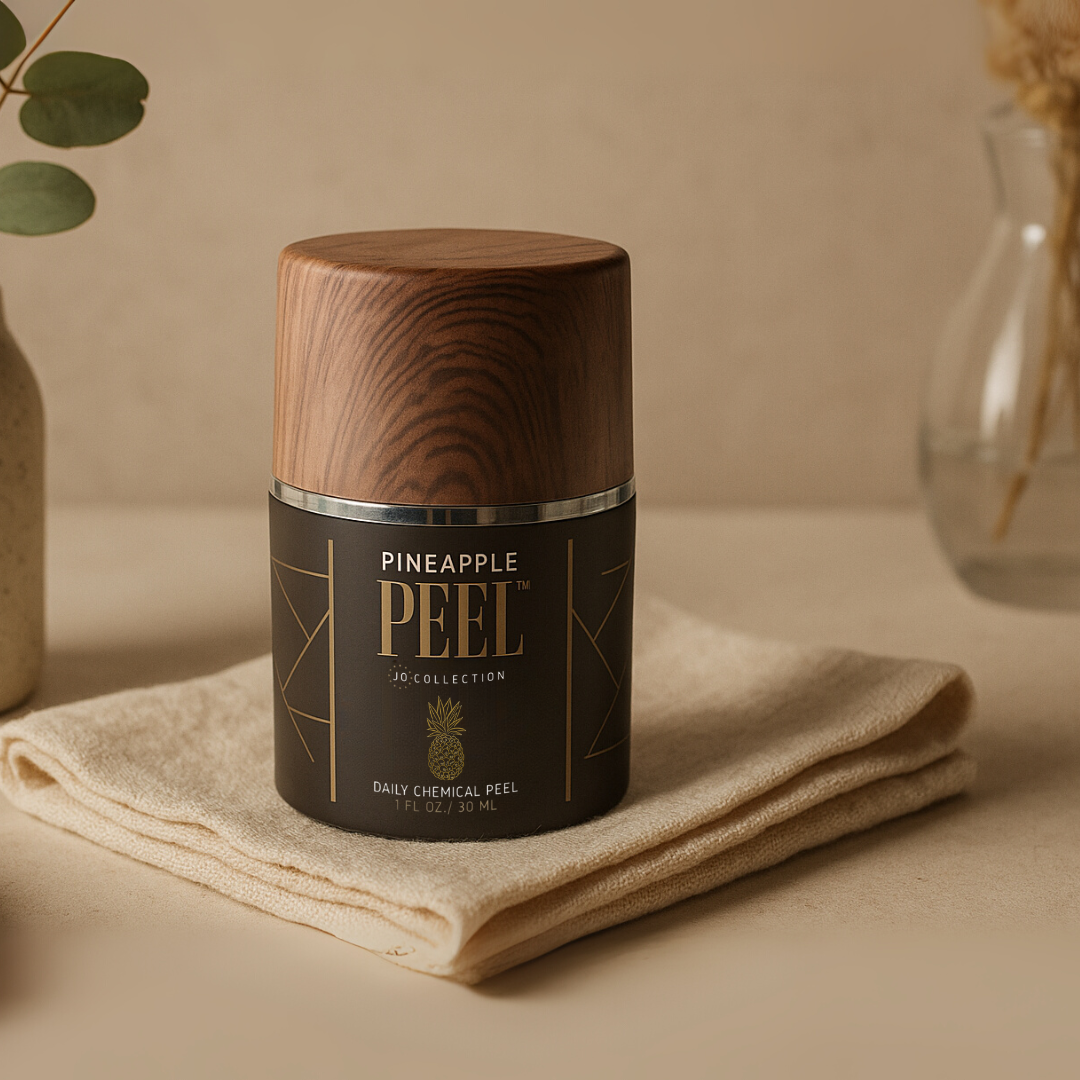
She then brought in her father, Todd McLaughlan, a pharmaceutical chemist, to turn that picture into a working product. Together they developed the Jo Collection Pineapple Peel, a daily leave-on exfoliator that resurfaces skin without stripping it, supports the barrier rather than breaking it down, and works safely every night where most chemical exfoliants cannot. That product became the anchor of the Jo Collection line, manufactured in-house at a pharmaceutical-grade facility in Orlando under the same regulatory standards that govern prescription drug production. Those standards follow the FDA's current Good Manufacturing Practice regulations, which set the minimum requirements for pharmaceutical manufacturing quality and safety.
The Name That Carried the Brand's Philosophy
Leah named the brand for her late mother, Joanne, a licensed cosmetician trained in Ottawa at the Versailles Academy. Joanne believed skincare belonged in the category of care and prevention rather than performance or vanity. She passed that thinking to her daughter long before Leah had any professional reason to act on it. Joanne passed away before the brand launched. The line carries her name because it carries her conviction: that skin deserves thoughtful, consistent care, not an overwhelming assault of harsh actives.
That conviction runs through the brand's philosophy in concrete ways. Every Jo Collection formula supports what skin already does naturally. The 28-day cell renewal cycle, the barrier's ability to retain moisture, the skin's tendency to repair itself overnight: the products work with those processes rather than overriding them. Joanne's belief that skincare should serve the skin, not impress anyone, is visible in every formulation decision the brand makes.
What the Jo Collection Founder Built for Real Life
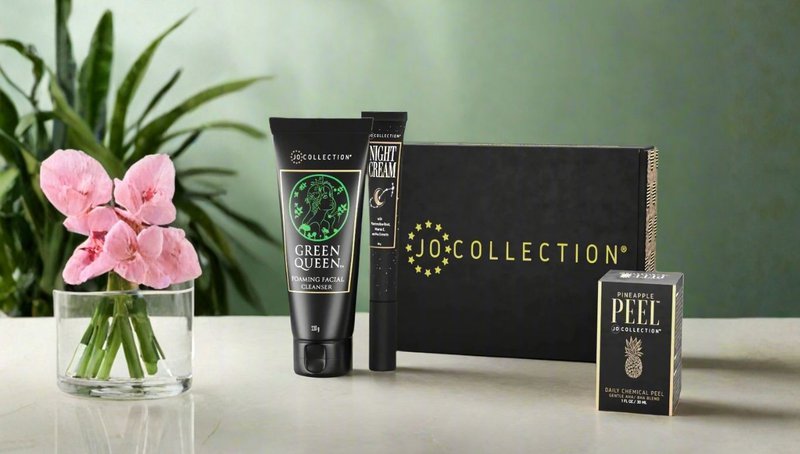
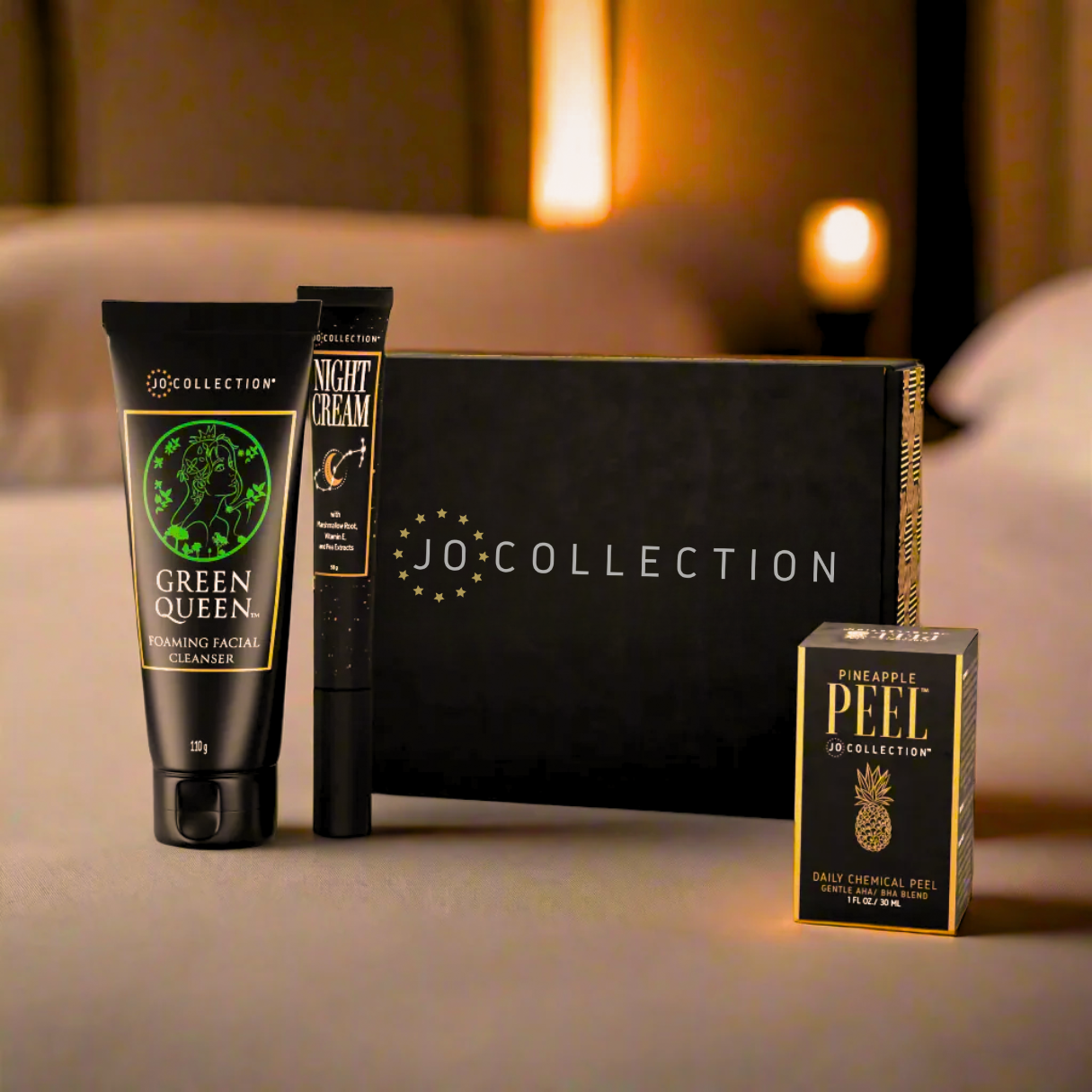
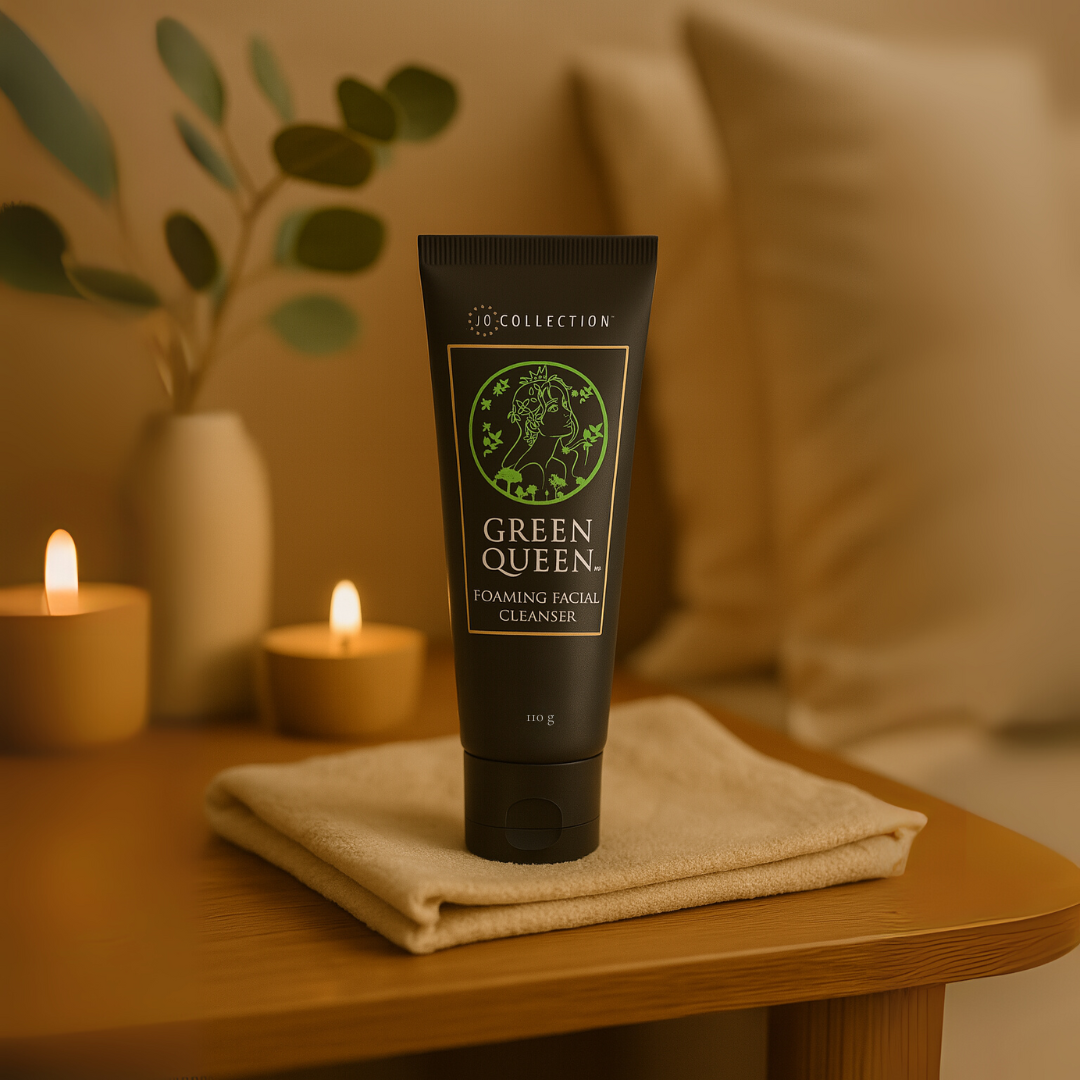
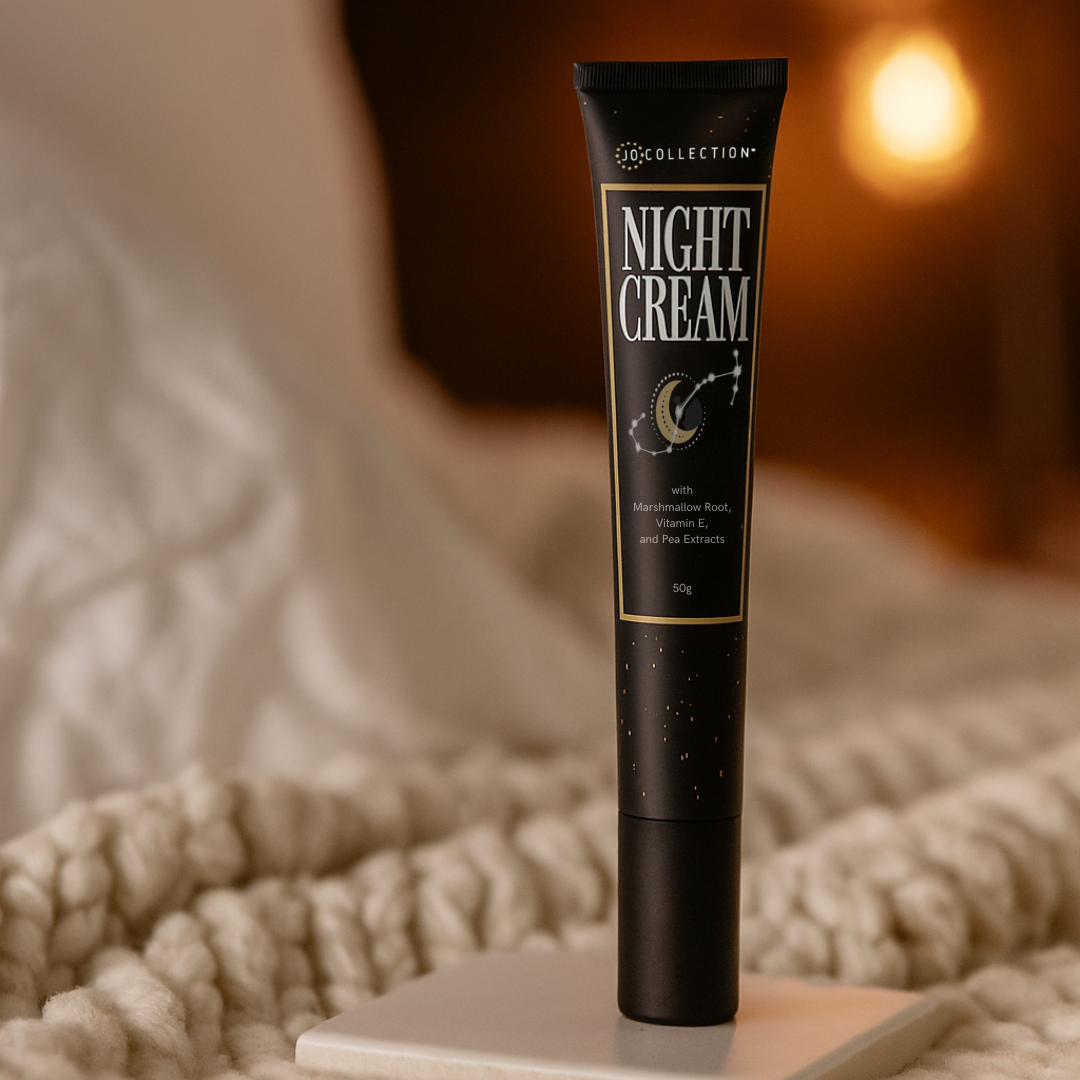
The Jo Collection system runs three steps. Cleanse with the Jo Collection Green Queen Foaming Facial Cleanser to remove daily buildup without stripping the barrier. Treat with the Pineapple Peel to exfoliate and support cell renewal overnight. Protect with the Jo Collection Hydrating Night Cream to seal in hydration and support barrier recovery while you sleep. The full routine takes under five minutes. Leah built it for working schedules because she lived one, and she knew a routine that does not fit into real life does not get used.

Her approach to transparency follows the same standard as her formulas. In a 28-day in-home consumer study (n=48), 96% of participants saw healthier-looking skin by day 28. Every claim the brand publishes carries full methodology behind it. Leah sorted through enough misleading product marketing during her own research to know exactly how much that honesty matters to someone standing where she once stood.
What the Brand Comes Down To
A version of this story exists where Leah fixes her skin and moves on. What actually happened is that the research led somewhere worth sharing. The product outperformed what she could find on the market. So she built a brand around it, named it for her mother, and opened it to anyone facing the same problems she once had.
Explore the full story at the About the Brand page. Or start with the product that started it all: the Pineapple Peel.