




Your skin can look worse than ever right when you are working hardest on it. Over cleansing and stacked actives often sit behind the redness, tightness, and stubborn breakouts you cannot explain. The problem is rarely one product but the cumulative effect of too much on your face daily.
Harsh cleansers strip the lipids your barrier needs, while strong actives punish skin already low on defenses. So the damage sneaks up over weeks and hides behind reactions you would blame on new products. Here is what goes wrong when you scrub, foam, and treat past what your skin can handle.
What Are the Effects of Over Cleansing?
The effects of over cleansing include tight, dry skin, redness, flaking, and a compromised skin barrier. Harsh cleansers remove essential lipids and proteins your face needs to hold water and block irritants. Once your barrier weakens, even mild products can trigger stinging, breakouts, or reactive oil production.
Signs of Over Cleansing You Might Miss
The signs of over cleansing rarely announce themselves through obvious redness or peeling right away. You notice smaller shifts first: skin that feels tight after washing or seems oilier by midday. So the earliest warning signals often look like normal skin behavior you can easily explain away.
A tight, squeaky-clean feeling right after washing is the clearest early sign of over-stripped skin. Because your barrier lost lipids and natural moisturizing factors, the surface cannot hold water for long. Within an hour or two, your face may feel dehydrated even after applying a rich moisturizer.
Reactive oil production follows next, since sebaceous glands ramp up to compensate for missing surface lipids. So you get oilier skin and more breakouts, which usually gets misread as needing even more cleansing.
Later signs include sudden stinging from products you tolerated for years without any issue. According to a 2025 clinical evaluation of soap-free cleansers, harsh surfactants strip lipids and disrupt barrier function measurably. Therefore, the earlier you catch the signs, the shorter your recovery will be in the mirror.
The Hidden Effects of Over Cleansing on Your Skin
The visible effects of over cleansing sit on top of deeper biological changes happening inside your skin. Your barrier, hydration levels, and microbiome all shift in ways you cannot see in the mirror. Understanding what happens beneath the surface helps you fix the root instead of chasing surface symptoms.
1. Barrier Breakdown From Over Cleansing
The stratum corneum works like a brick wall with skin cells held together by lipids and proteins. Harsh surfactants pull those lipids out and denature the keratin holding the whole structure in place. As a result, water escapes freely and outside irritants pass through gaps that used to seal shut.
2. Dehydration Beneath the Surface
Natural moisturizing factors are water-binding compounds that live inside your skin cells and pull moisture in. Repeated cleansing washes these compounds away, which leaves your skin unable to hold water even overnight. So dehydration becomes chronic rather than something a heavier moisturizer alone can fully solve for you.
3. Reactive Sebum and New Breakouts
Your sebaceous glands respond to dehydration and lipid loss by pumping out more oil to compensate. The extra sebum mixes with a disrupted microbiome, which fuels new breakouts on previously clear skin.

How Strong Actives Multiply Over Cleansing Damage
Strong actives compound over cleansing damage because they attack an already weakened surface every night. Retinoids, high-percentage acids, and physical scrubs each push exfoliation past what your barrier can safely handle. So the damage stacks: a stripping cleanser hands off to a stripping treatment on repeat.
TV personality Brooke Burke avoids this trap by keeping one gentle active in her nightly routine. Her approach mirrors the natural 28-day renewal cycle instead of forcing the barrier past its recovery pace.
The most damaging combinations show up in routines that look thorough on paper but hurt in practice. Watch for stacks that pair sulfate foam cleansers with high-strength peels or nightly retinoid use. Here are the combinations that push already-compromised skin past its recovery capacity the fastest:
- Sulfate cleansers paired with high-percentage glycolic peels applied at professional strength nightly
- Double cleansing followed immediately by a strong retinoid on the same delicate skin
- Physical scrubs used before or after any chemical acid, doubling the exfoliation burden
- Cleansing brushes combined with harsh actives that add friction on already-inflamed facial skin
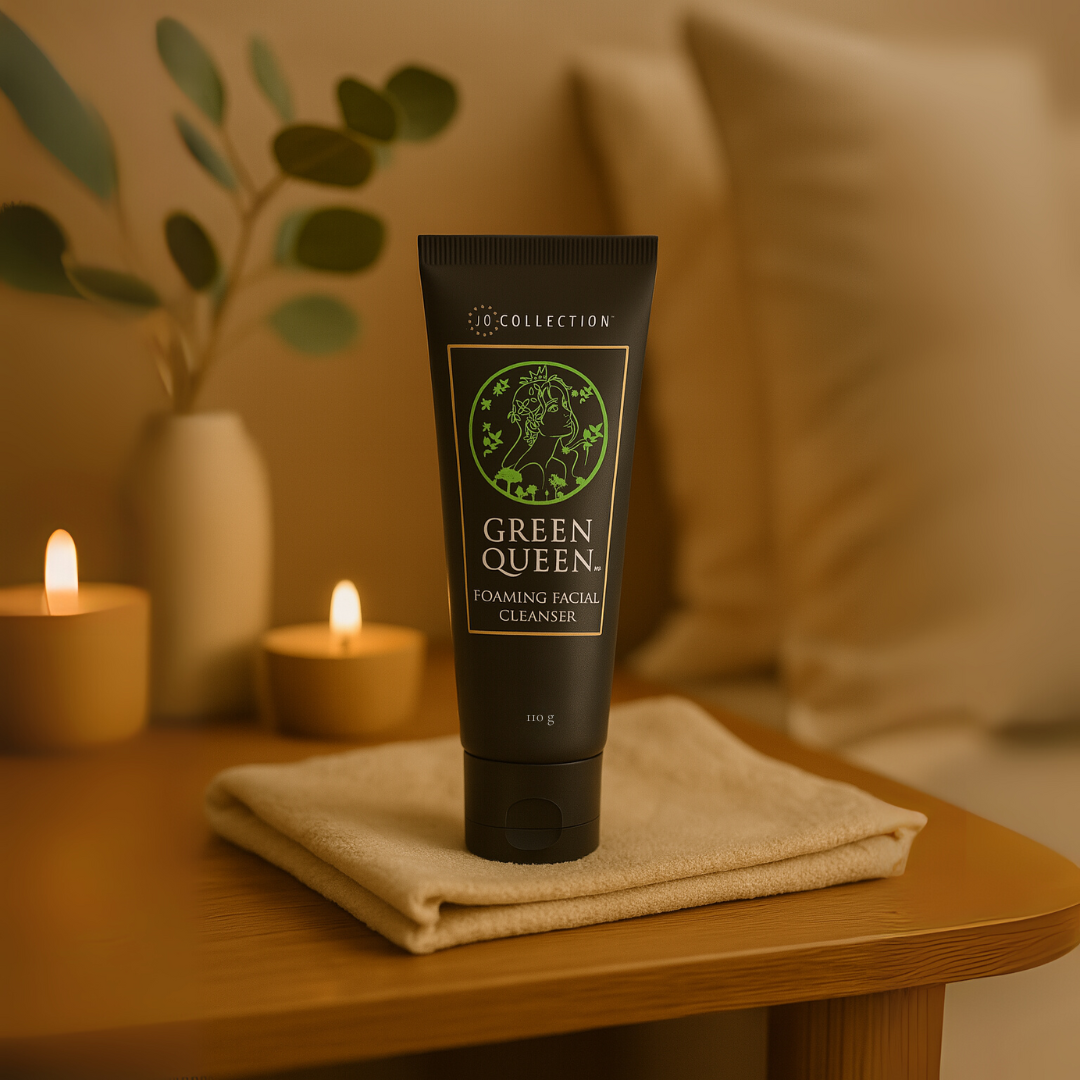
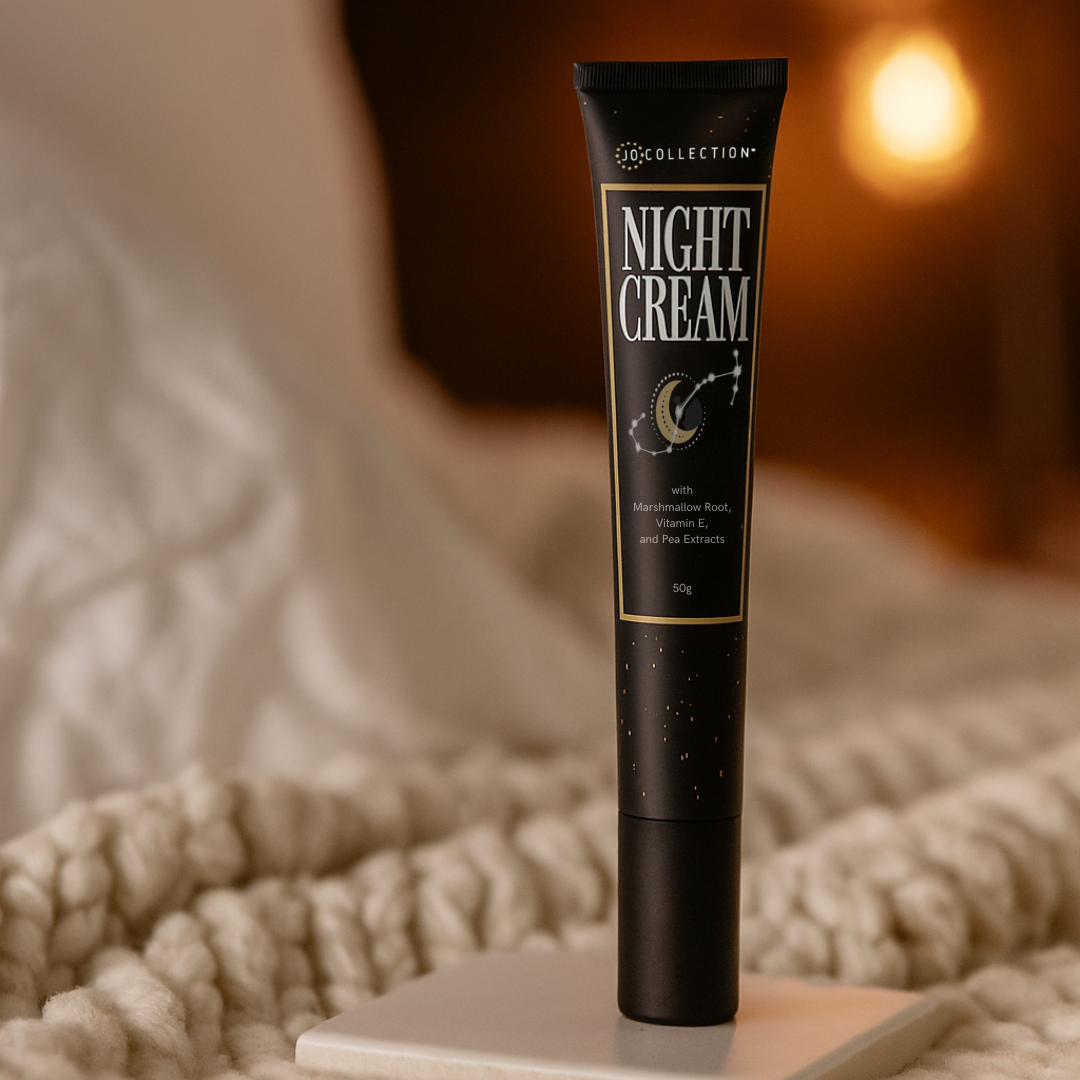
Cutting even one pairing gives your barrier the daily break it needs to rebuild lipids. Swap toward a gentle, amino-acid based cleanser that respects the acid mantle your barrier depends on. Then follow with a soothing night cream that helps lock in moisture and calm the layers underneath.
Ready to Reverse Over Cleansing Damage?
Over cleansing rewards short-term satisfaction with long-term irritation, and the fix is simpler than you think. Pulling harsh products and adding gentle, barrier-supporting ones delivers faster recovery than any new active. So the reversal starts with subtraction, not with buying another bottle promising to fix the last one.
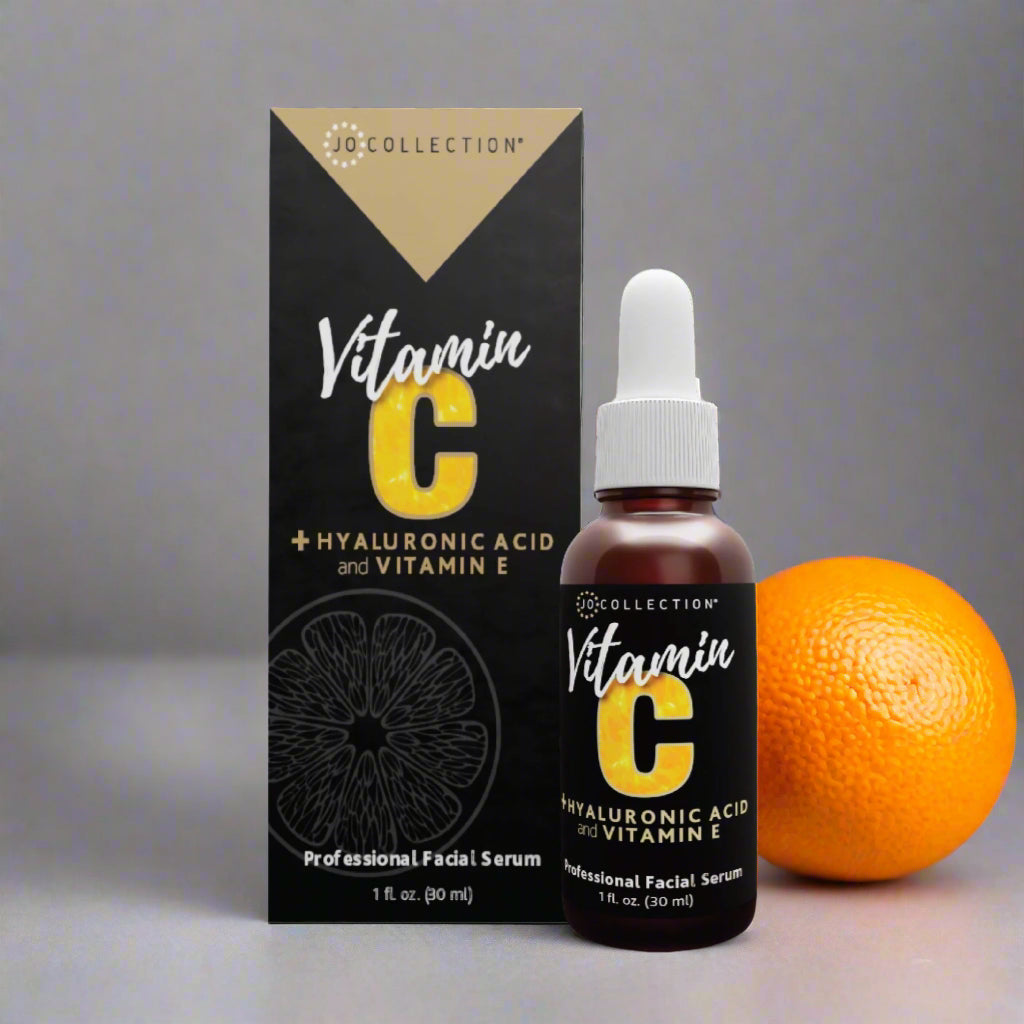
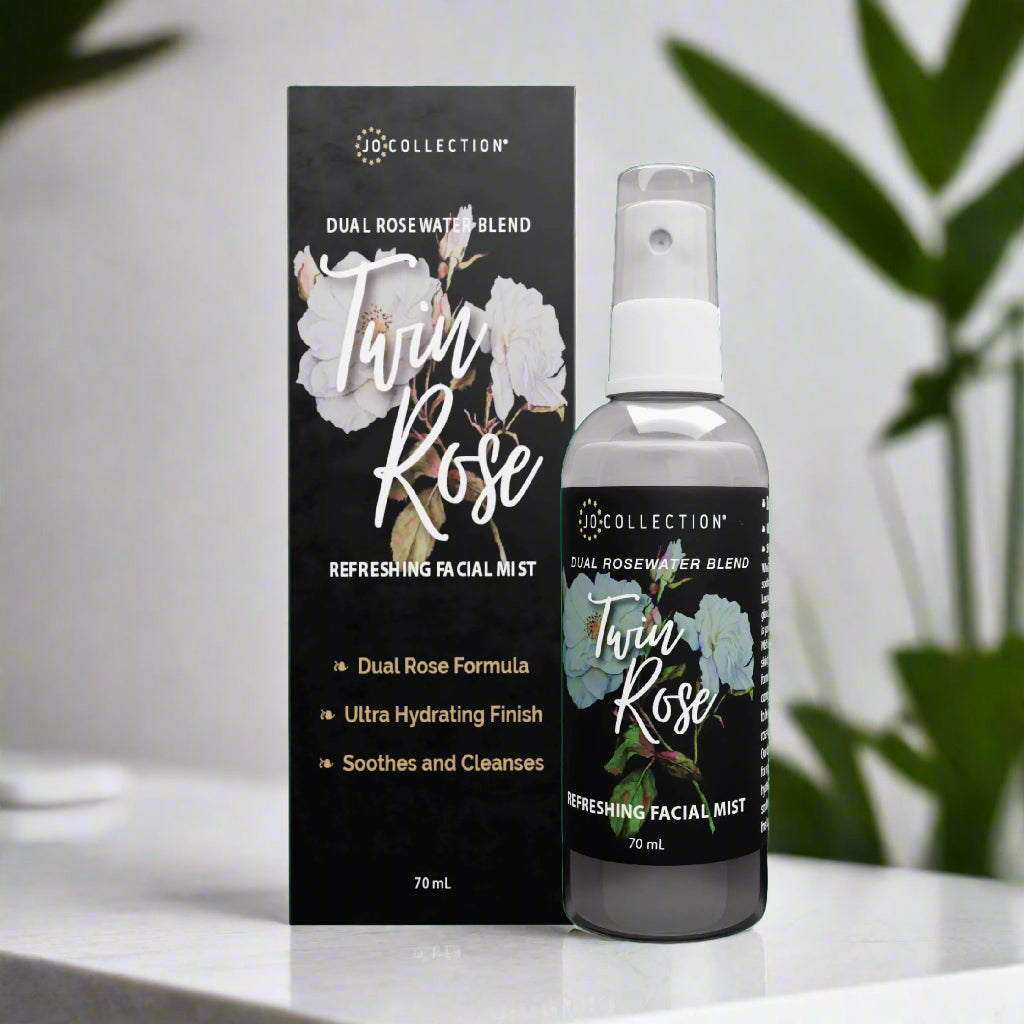
Jo Collection built the Nighttime Essentials Kit around a gentle, three-step routine designed for barrier recovery. You cleanse without stripping, treat with one balanced active, and seal every layer overnight in five minutes. When you want a routine matched to your recovering skin, write to the Jo Collection team for a personal plan.