

When a well-used moisturizer starts burning on contact, over exfoliation is often the reason. It strips the skin barrier rather than improving it. That damage doesn't come with a warning. It shows up as redness, sensitivity, and breakouts that arrive when you thought you were making progress.
Understanding over exfoliation matters because the line between helpful and harmful comes down to formula and frequency, not effort.
What Over Exfoliation Does to the Skin
The skin barrier is the outermost protective layer of the epidermis. Its job is to hold moisture in and keep irritants out. When exfoliation removes too many layers too quickly, that barrier breaks down. The skin loses its ability to retain hydration. Everyday products like cleansers and moisturizers start causing stinging. Breakouts increase, also, because the disrupted barrier lets bacteria reach deeper layers more easily.
Peer-reviewed research confirms that the skin barrier relies on four interdependent layers: physical, chemical, microbiologic, and immunologic. Disrupting even one compromises the others. That is why over exfoliation damage can take weeks to reverse, even after you stop the exfoliant.
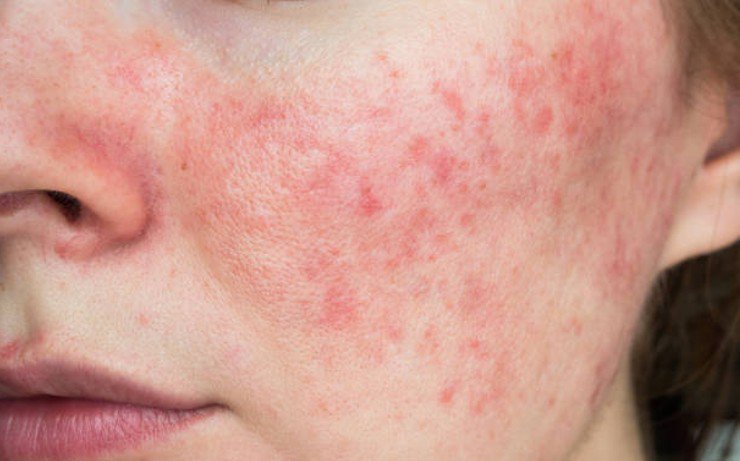
The signs are still specific. Persistent redness that doesn't settle after a routine. Skin that looks oddly shiny rather than glowing. Tightness, flaking, and products that sting on contact. These aren't signs of purging or adjustment. Instead, they're signs that the barrier needs rest and recovery.
Why Aggressive Exfoliants Carry More Risk
High-concentration peels and harsh physical scrubs produce results quickly. However, they also require the skin to recover after each session. The stronger the formula, the more it temporarily disrupts the barrier. For women with sensitive or aging skin, that recovery window is longer and less predictable.
Furthermore, the cumulative effect of aggressive exfoliation over months can thin the skin and increase vulnerability to UV damage. A damaged barrier is also less able to retain the moisture and nutrients that keep skin looking full and even. In short, more intensity doesn't produce more improvement. It produces more recovery time with diminishing returns.
What Makes Daily Exfoliation Safe
The difference between a damaging exfoliant and a safe one comes down to concentration, acidity level, and formulation design. A daily exfoliator needs a concentration low enough to clear dead cell buildup without reaching the live skin layers below. It also needs ingredients that actively support barrier function while the exfoliation takes place.
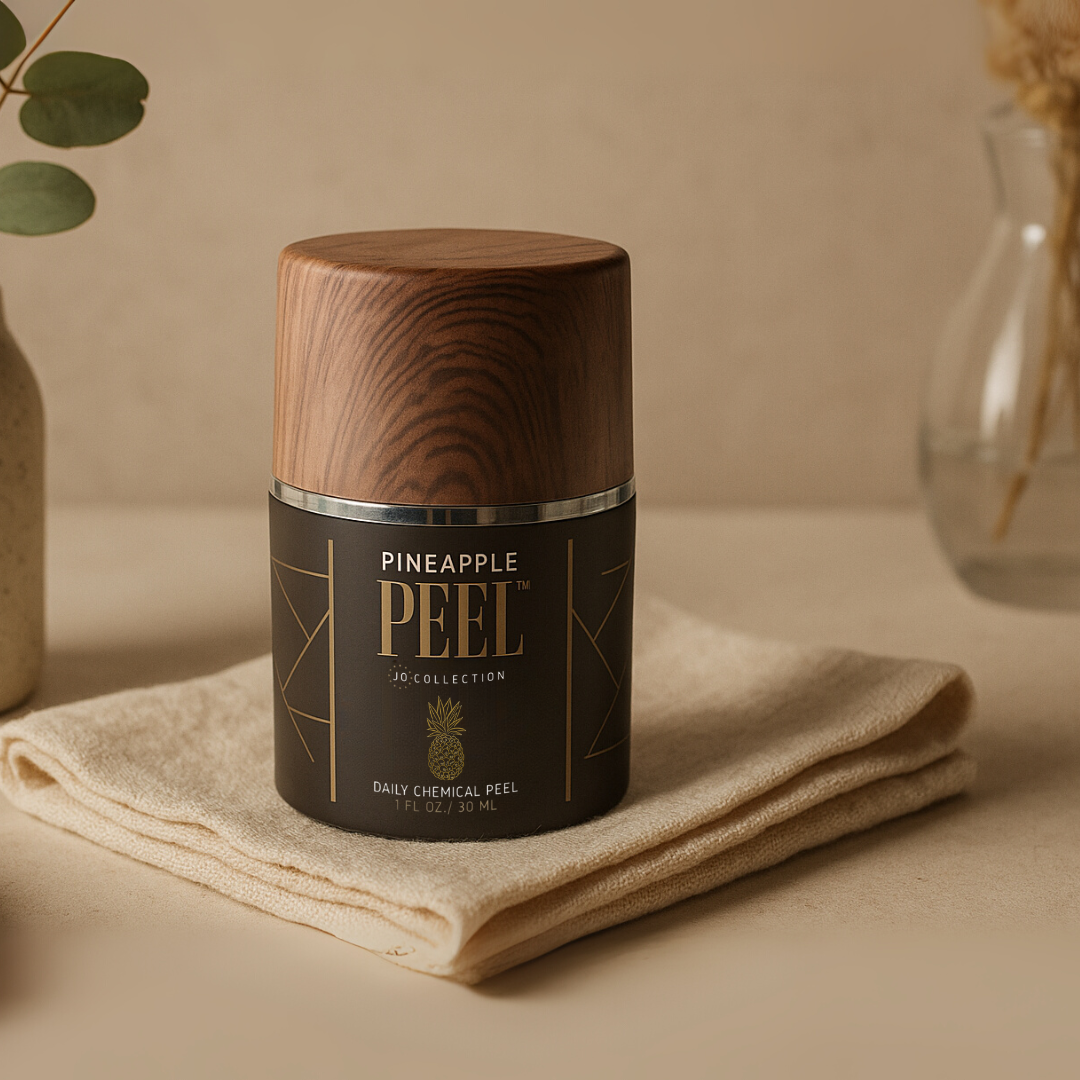
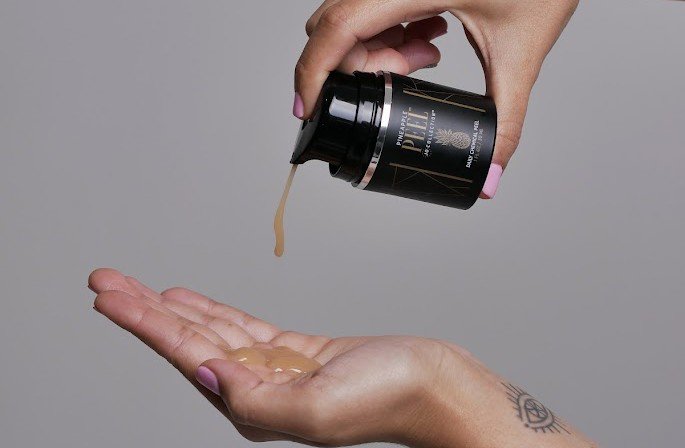
The Pineapple Peel follows that design. Its formula combines 10% glycolic acid (an alpha hydroxy acid or AHA), lactic acid, salicylic acid (a beta hydroxy acid or BHA), retinol, hyaluronic acid, squalane, aloe, and green tea. Together, the exfoliating acids clear the surface. Similarly, hyaluronic acid, squalane, and aloe hydrate and soothe freshly exfoliated skin.
The formula is also self-neutralizing. That means the skin's own acidity level stops the exfoliation process automatically, eliminating the risk of over-application. There is no second step, no separate neutralizer, and no window where the acid continues working longer than intended.
The Role of the Nighttime Routine in Barrier Recovery
NIH research on barrier disruption confirms that topical repair depends on restoring hydration and reducing permeability after chemical treatment. That, ultimately, is what a well-designed nighttime routine addresses.
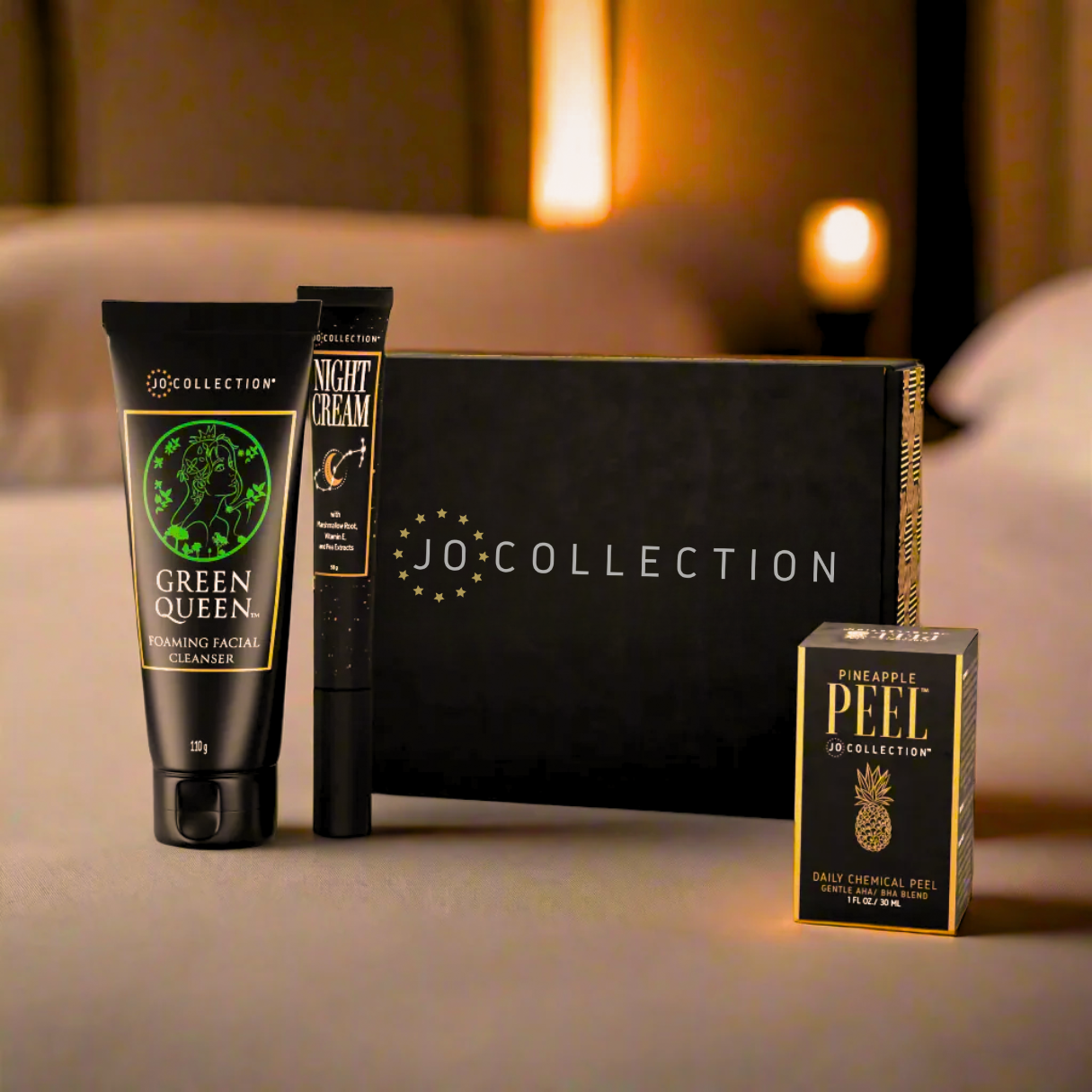
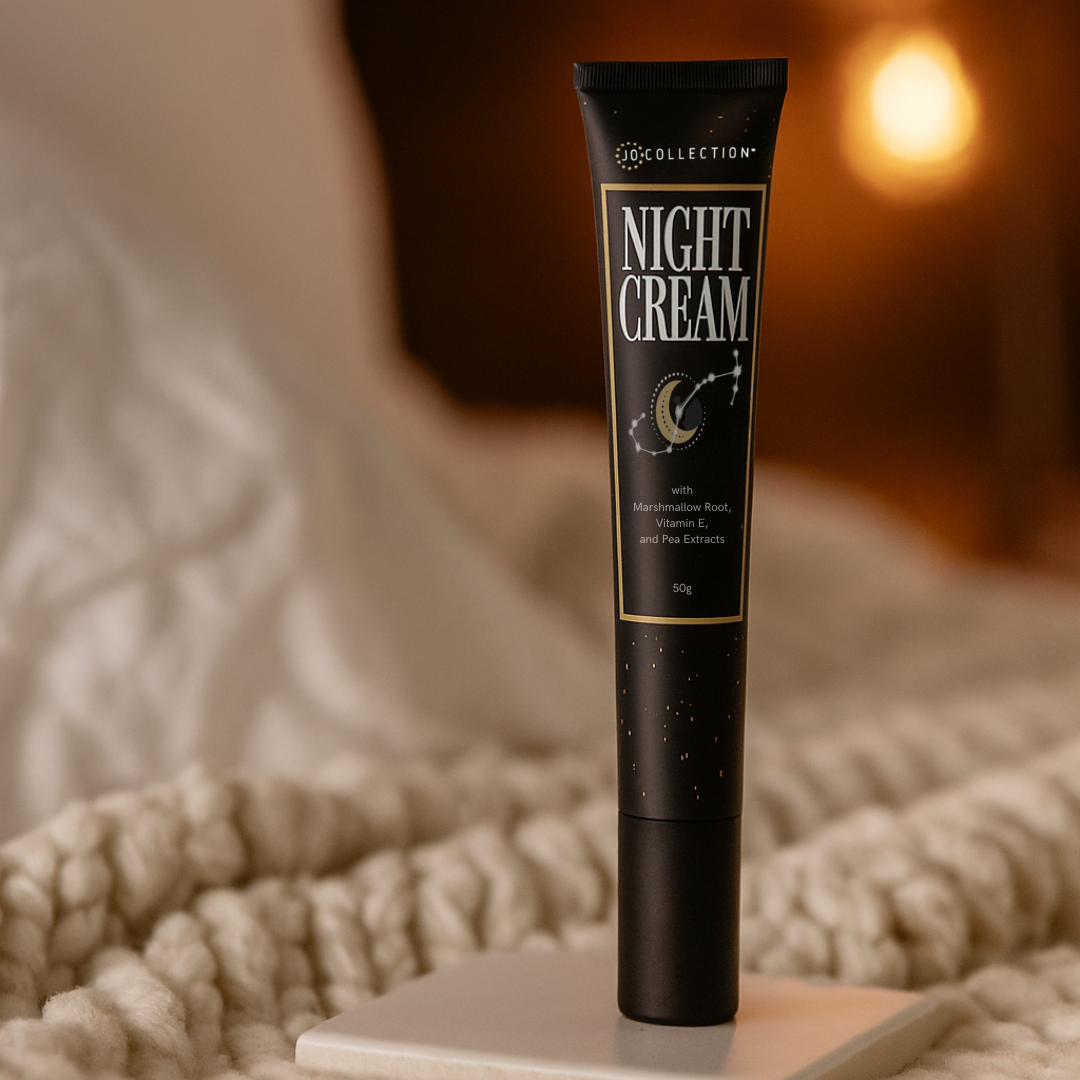
In the Jo Collection Nighttime Essentials Kit, the Hydrating Night Cream follows the Pineapple Peel immediately. It contains marshmallow root to soothe, pea extracts to firm, vitamin E as an antioxidant, and jojoba esters for lightweight hydration. Instead of leaving the skin exposed after exfoliation, the routine immediately supports barrier repair. For that reason, the system works without the sensitivity that aggressive exfoliants produce.
How to Recognize the Difference
A gentle daily exfoliator that's working correctly produces a light tingle. Over weeks, it delivers smoother texture, more even tone, and clearer pores. It moreover shouldn't sting persistently, cause redness that lasts hours, or make skin feel raw.
By contrast, an exfoliant that's too strong or used too often will produce the opposite. Skin feels worse rather than better. Products you tolerated before start causing reactions. That is the pattern that signals over exfoliation. It's also the pattern that the Pineapple Peel's self-neutralizing design prevents.
An independent third-party study found 96% of users saw healthier-looking skin. That result comes from a formula that exfoliates effectively without compromising the barrier it targets. Get in touch with us and we'll help you get started with the Jo Collection routine that works for your skin.