


What Is Hyperpigmentation?
Hyperpigmentation is one of the most common (and frustrating) skin concerns.
Hyperpigmentation shows up as dark spots, uneven tone, or lingering marks on your skin after breakouts or sun exposure. It happens when the skin produces too much melanin ( the pigment that gives your skin its color). Melanin is your body’s built-in defense against UV damage, but when that system goes into overdrive, pigment collects in patches instead of fading evenly. Instead those dark spots, uneven patches, or lingering marks seem to hang around long after a breakout or sun exposure.
While melanin is your body’s built-in sunscreen, protecting against UV damage, things like sun exposure, inflammation, acne, and hormonal shifts can send pigment production into overdrive - leaving behind spots on your skin that can take months (or even years) to fade.
Common Causes
- Sun exposure: UV light triggers excess melanin production.
- Post-inflammatory marks: Breakouts, irritation, or even bug bites can leave behind darker spots once the inflammation heals.
- Hormonal changes: Fluctuations during pregnancy, from birth control, or aging can cause melasma.
- Harsh skincare habits: Over-exfoliating or using strong actives too often can inflame skin and make discoloration worse.
According to a dermatology review, one underlying mechanism in pigment disorders such as melasma or post-inflammatory hyperpigmentation (PIH) involves both increased melanin production and disrupted cell turnover. When the skin’s renewal process slows, pigment-filled cells linger on the surface longer than they should.
How You Fix It
Fading hyperpigmentation isn’t about bleaching or scrubbing - it’s about retraining your skin’s natural rhythm. Fading hyperpigmentation takes time and consistency. The most effective approach targets both the surface (where pigment is visible) and the process (where pigment is made).
- Support cell turnover: Gentle daily exfoliation helps remove old, pigment-loaded cells so new, even-toned ones can replace them. Exfoliation needs to be gentle with hyperpigmentation though or you risk making hyperpigmentation worse.
- Calm inflammation: A healthy barrier can help prevent redness and irritation that can lead to new discoloration. You need hydration and soothing ingredients to help sooth inflammation before it starts.
- Use antioxidants and brighteners: Ingredients like Vitamin C and niacinamide help reduce future pigment formation.
- Protect your skin: Sunscreen and daily moisturization are non-negotiable. Without them, any progress fades fast.
Be patient and consistent. Skin renewal is biological, not instant. Plainly, you need to help turnover be optimized but you also address the root triggers (sun damage, hormone changes, inflammation) or you will likely not fully clear the pigment.
Why the 28-Day Cycle Matters
When your skin is balanced and healthy, it naturally renews about every 28 days. That means a fresh layer of cells makes its way to the surface roughly once a month. But stress, age, and damage can slow this process to 40 days or more.
A sluggish renewal cycle traps old, pigmented cells on the surface longer than it should. Helping your skin get back to its natural pace means pigment is replaced faster, tone looks brighter, and texture feels smoother. This is not about rushing or forcing exfoliation. It is about restoring the rhythm your skin already knows.
The Limits of Quick Fixes
Spot correctors, weekly peels, and “miracle” creams often aim for instant results. They can make the surface look better for a while, but without consistent renewal and protection, pigment usually returns. If the deeper layers are still producing excess melanin or if irritation continues, the spots reappear.
Why Consistency Wins
The real progress happens when you treat your skin the same way it functions-through steady, rhythmic renewal. Gentle acids, antioxidants, and barrier-supportive hydration used daily train your skin to exfoliate and rebuild at a healthy rate. The process may take several 28-day cycles, but the change lasts because it is biologically aligned with how your skin actually works.
A Smarter Way to Support Renewal
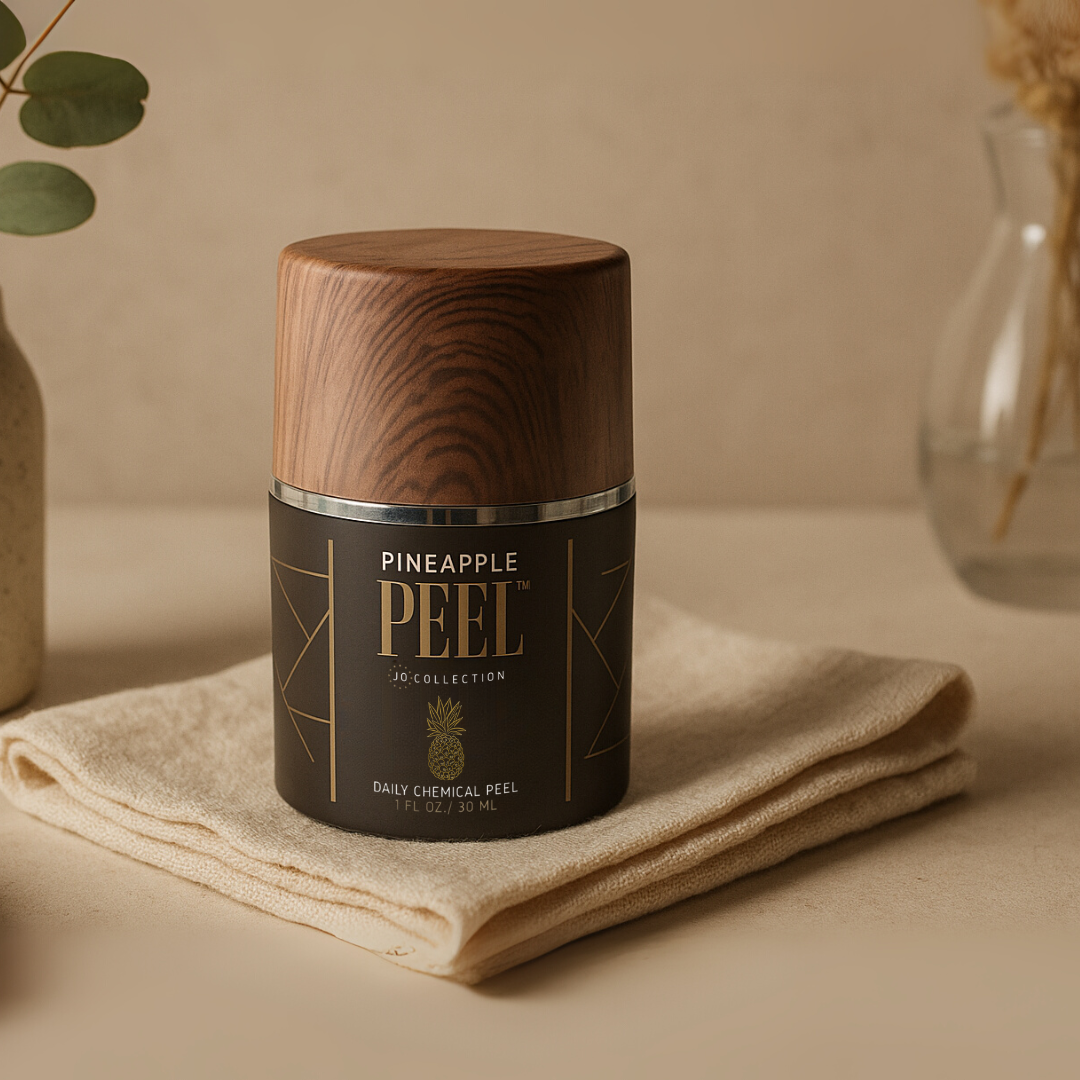
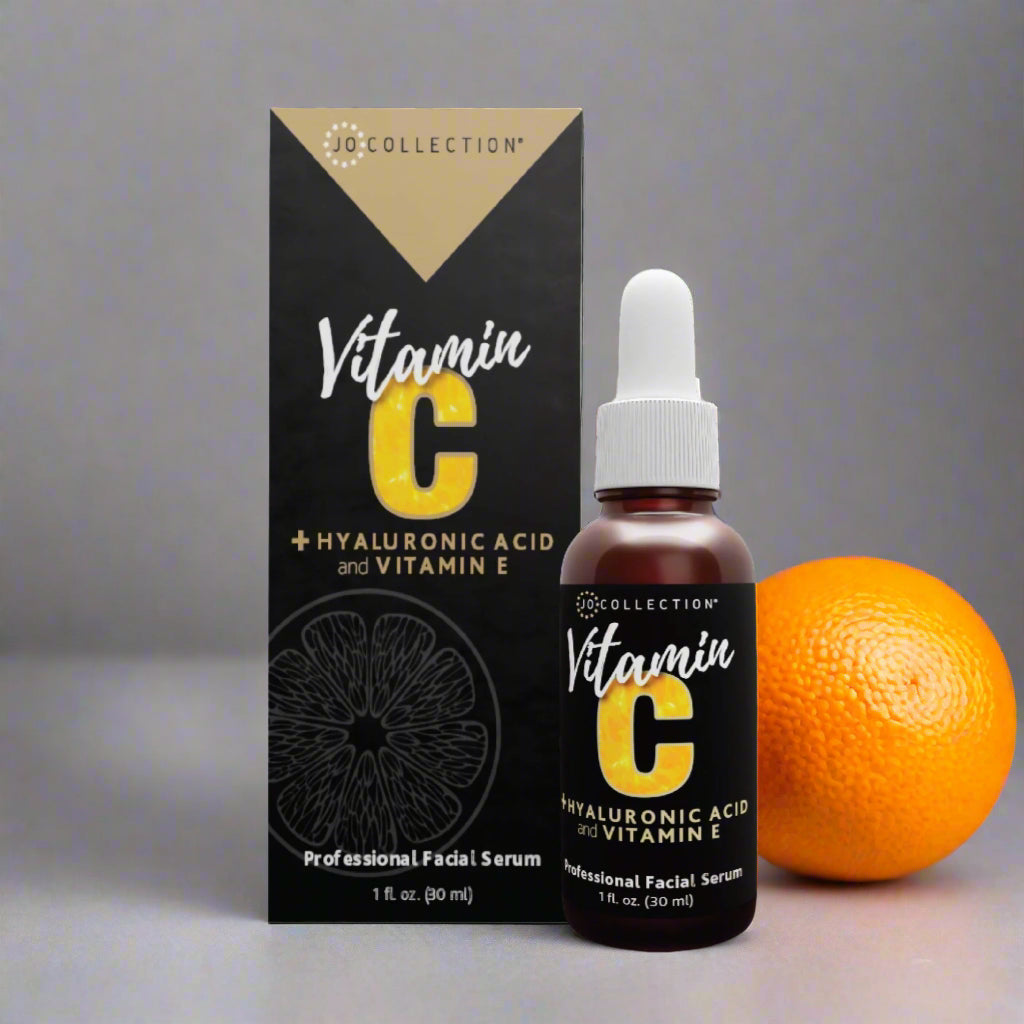
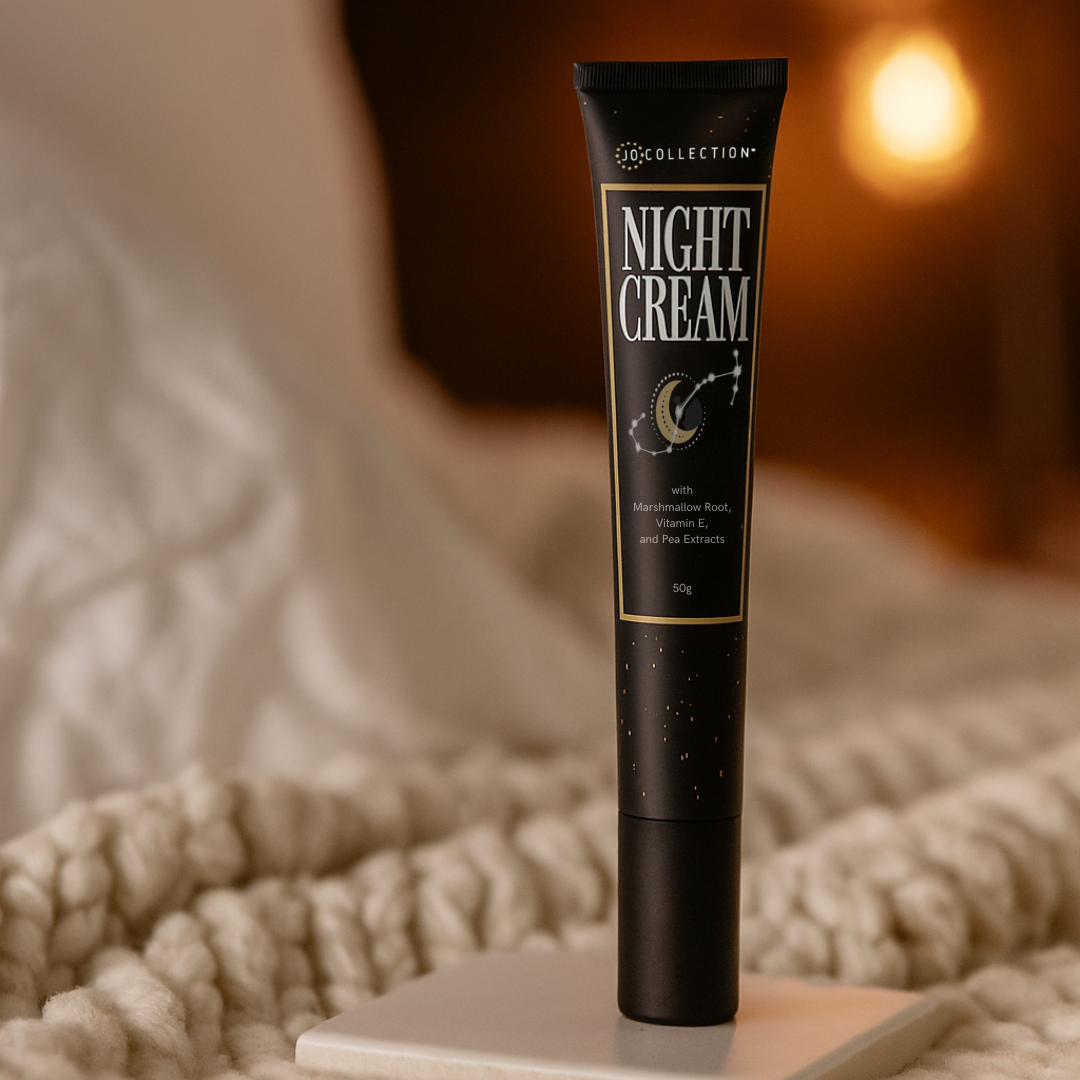
At Jo Collection, we built our formulas to work with your natural cycles instead of fighting them. The Pineapple Peel encourages controlled exfoliation that helps fade surface discoloration without irritation. Our Vitamin C Serum protects against new spots while boosting radiance, and our Night Cream locks in hydration to support barrier repair while you sleep.
These steps work together to keep your skin renewing at an optimal pace, so it can naturally fade discoloration over time.
The Bottom Line
Bringing your skin back to its 28-day renewal rhythm is one of the most effective ways to help fade hyperpigmentation-but it is not the only one. The best results come from a complete approach: consistent exfoliation, antioxidant protection, barrier repair, and sun defense.
Healthy skin heals itself when you give it the right environment. Restoring that rhythm is how you start.


