




Your skin can look red, tight, or blotchy without you ever changing products or routine. A weak skin barrier often sits behind these changes, quietly amplifying every irritant your face meets. What you avoid matters as much as what you apply during the recovery window.
Barrier disruption rarely comes from one product but from small choices stacking against your skin daily. So the smartest first move is subtraction, pulling the worst offenders before you add repair ingredients. Here is what to cut, what to swap, and where the biggest mistakes usually hide in your routine.
How Do You Know You Have a Weak Skin Barrier?
A weak skin barrier shows up as tightness, redness, stinging, flaking, or a sudden reaction to products you tolerated before. Water loss increases through the damaged surface, so your skin feels dehydrated even after moisturizing. Once you spot these signs, pause your actives and remove anything abrasive or stripping from your routine.
Cleansers and Actives That Worsen a Weak Skin Barrier

The cleanser and treatment layer cause the most damage to a weak skin barrier, often without warning. Foaming detergents, high-percentage acids, and gritty scrubs strip lipids faster than your skin can rebuild them. So the fix begins with pulling the harshest products before you add anything new to soothe.
Certain formulas and habits reliably damage the barrier even when they claim to help your skin. According to a 2024 dermatology review in Frontiers in Medicine, mechanical abrasion and chemical detergents accelerate barrier breakdown together. Here are the common offenders that most likely sit on your bathroom shelf right now:
- Sulfate-based foaming cleansers that leave your skin squeaking dry after every wash
- Physical scrubs with walnut shells, apricot pits, or plastic beads pressed into your face
- High-strength glycolic peels applied more often than a self-neutralizing daily formula would allow
- Retinoids stacked on the same night as acids without any barrier support in between
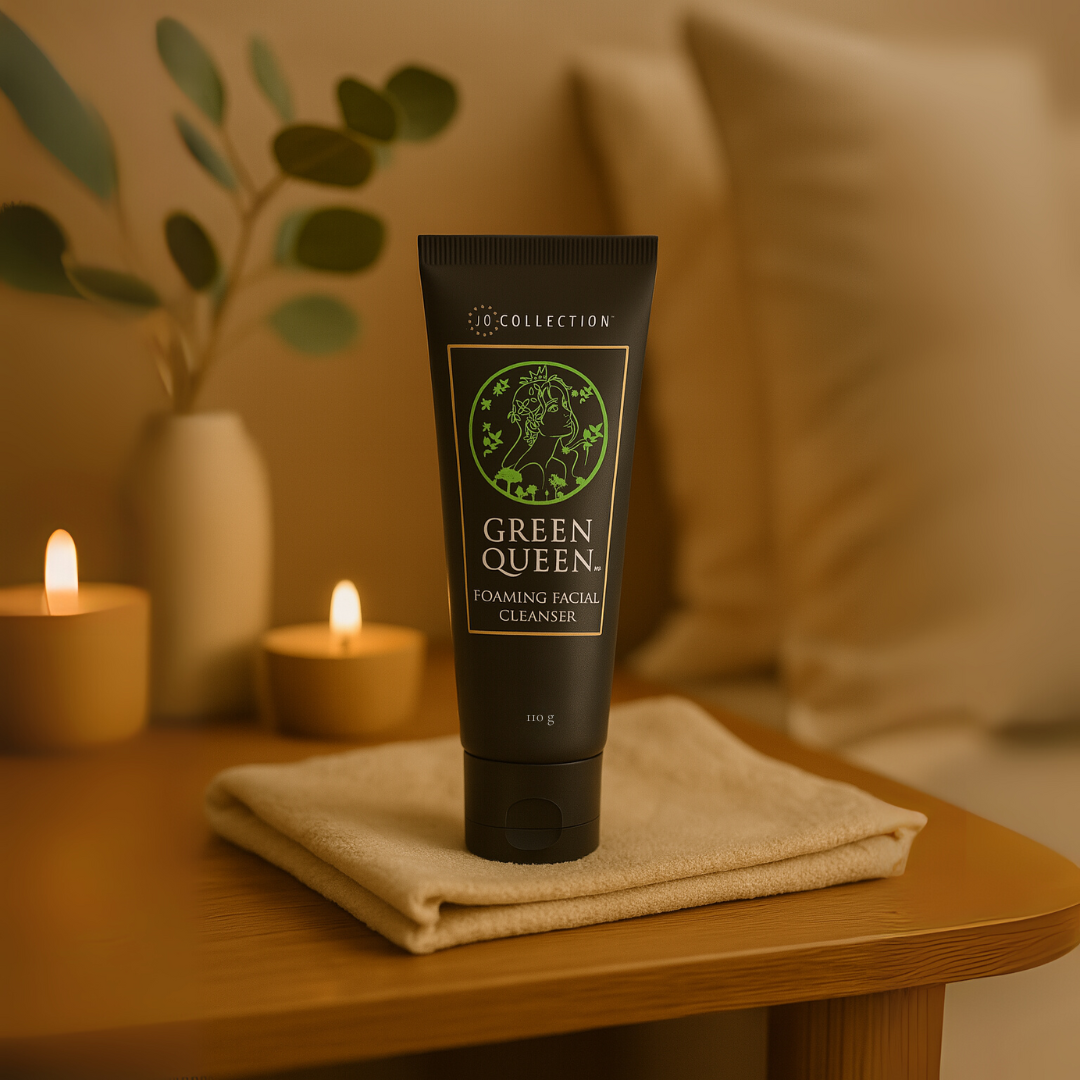
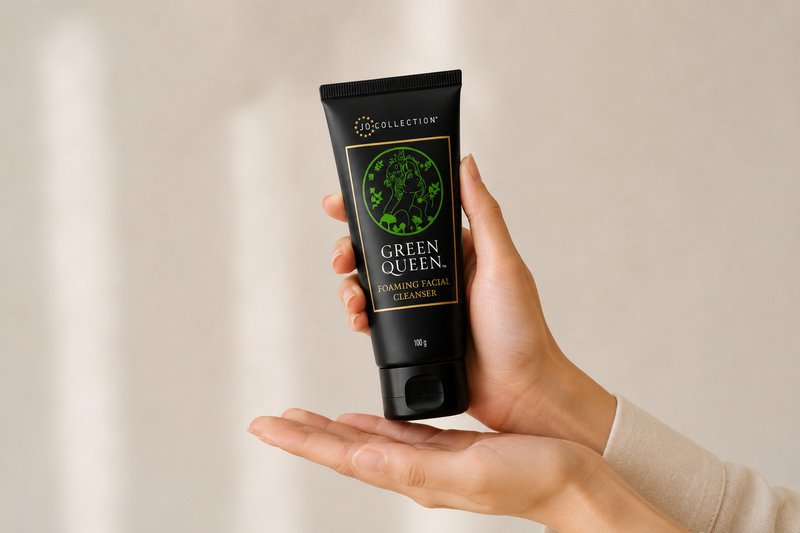
Cutting even two of these from your nightly routine gives your barrier room to rebuild lipids. Instead, swap toward a gentle, amino-acid based foam like the Green Queen Foaming Facial Cleanser. A softer cleanse sets up every step that follows without stripping the lipids you need.
As a general rule, if your face feels tight within thirty seconds of washing, the cleanser is too harsh. Therefore, tightness after cleansing is a signal to swap products, not to layer more serum on top.
Lifestyle Habits That Undermine a Weak Skin Barrier
A weak skin barrier does not always come from products, since daily habits pile onto the same surface. Sun exposure, hot water, and rough friction can undo hours of careful skincare in minutes. So the routine you skip matters as much as the routine you follow every evening.
How Over-Exfoliation Creates a Weak Skin Barrier
Exfoliating twice daily or stacking acids and scrubs speeds up shedding faster than your barrier can rebuild. You strip the lipid layer, expose fresh cells too soon, and invite stinging or peeling within days. Stick with one gentle exfoliant used nightly at most, rather than three formats layered across the week.
Hot Showers and Rough Towel Drying
Water above lukewarm strips sebum and lipids from your face just as it does from your hands. Because scrubbing with a rough towel adds friction on already inflamed skin, the damage stacks quickly. Use lukewarm water and pat your face dry with a soft cotton towel to reduce this cumulative irritation.
Skipping Sun Protection During Repair
Ultraviolet exposure breaks the same barrier proteins you are trying to rebuild with your evening routine. Wear a broad-spectrum sunscreen every morning during recovery, even when you plan to stay indoors most hours.
Weak Skin Barrier Repair Missteps to Avoid
Rebuilding a weak skin barrier fails when you rush the process or reach for the wrong repair ingredients. Recovery takes about four to six weeks for most people, following the natural cell turnover timeline. So the biggest repair missteps come from impatience, over-treatment, or bringing back actives too early.
TV personality Brooke Burke shows her nightly barrier-friendly routine in the brand's routine walkthrough video. Her three-step approach syncs with the skin's 28-day renewal cycle and avoids the layering mistakes that stall recovery. As she demonstrates, simple habits done nightly outperform complicated routines packed with rotating actives.
Skipping a moisturizer because your skin feels oily during flare-ups makes the recovery slower and rougher. Oily-feeling skin during barrier damage often means dehydration, not excess sebum, so richer hydration helps.
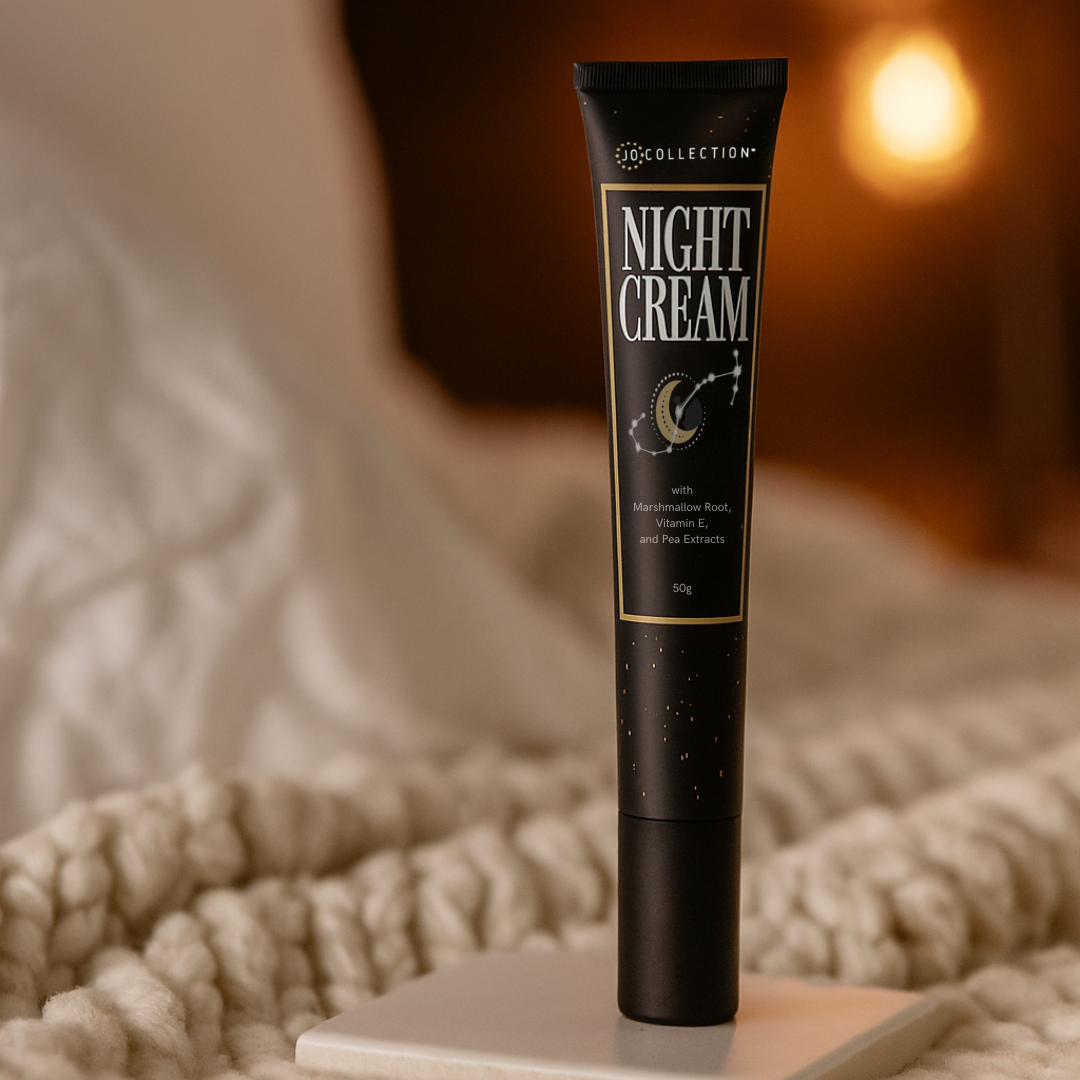
Layer a soothing, marshmallow-based night cream like the Jo Collection Hydrating Night Cream after cleansing. Wait a full two weeks before reintroducing any acid, retinoid, or exfoliant to your evening routine. When you finally add actives back in, start with one product used twice a week only.
Ready to Rebuild Your Weak Skin Barrier?
A weak skin barrier does not require expensive serums or a full product overhaul to recover. Cutting the harshest steps and letting your skin rest usually delivers more progress than any new addition. So subtract first, wait patiently, and reintroduce only what supports your skin over the long term.
Jo Collection builds every formula around barrier support, from the gentle cleanser to the soothing night cream. Explore the three-step Nighttime Essentials Kit built for people who need results without irritation. When your barrier is ready for the next step, connect with the Jo Collection team for personal help.