




Your bathroom shelf holds more actives than most dermatologists prescribe in a full patient regimen. When you layer skincare without a system, results stall and irritation builds up on your face. Order, timing, and pH all matter as much as the ingredients you choose to apply.
The good news is that safe layering follows a few clear rules once you understand the chemistry. Some actives partner well, some need separate times of day, and some should never share the same night. Here is how to build a routine that delivers results without leaving your skin red or tight.
What Does It Mean to Layer Skincare Actives?
To layer skincare actives means applying multiple treatment ingredients in sequence during a single routine. The right order lets each ingredient absorb properly while the wrong order cancels benefits or triggers irritation. Timing, pH, and product texture all determine whether actives work together or fight each other on your face.
The Basics of How to Layer Skincare Actives

Every time you layer skincare, thinnest textures go first, and richest textures come last. Water-based serums absorb quickly, while oils and creams create a seal that locks in the layers underneath. So the general rule follows a light-to-heavy progression from bare skin outward to your final step.
Beyond texture, the pH of each active decides where it fits in the sequence you build. Low-pH ingredients like vitamin C and acids work best on clean, dry skin before anything neutral goes on top. Here is the standard order that keeps your actives working together instead of canceling each other out:
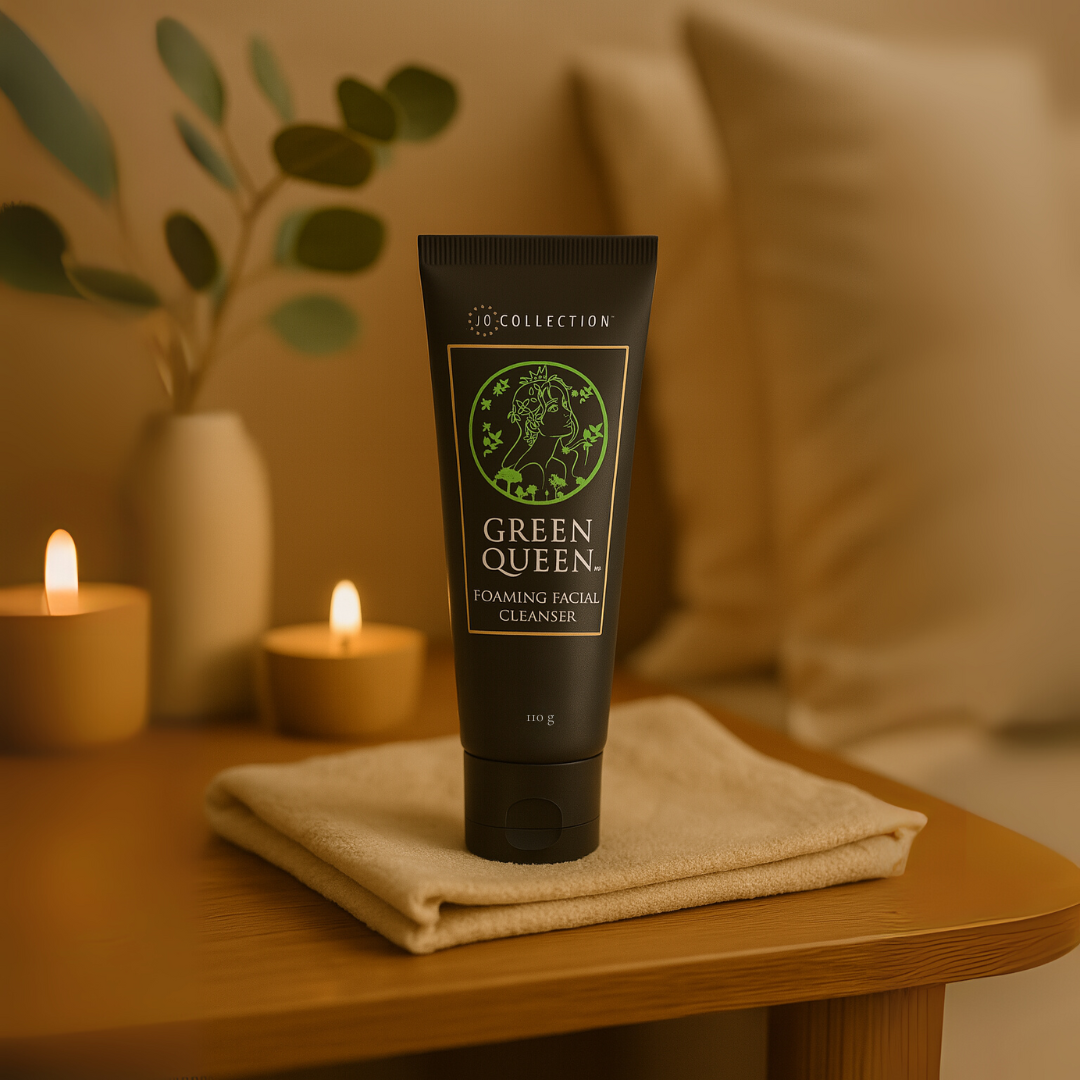
- Cleanser first to strip surface oils and prep a clean canvas for treatment ingredients
- Water-based low-pH actives next, such as vitamin C serum on bare, dry skin
- Water-based treatment serums after, including hyaluronic acid, niacinamide, or a peptide formula
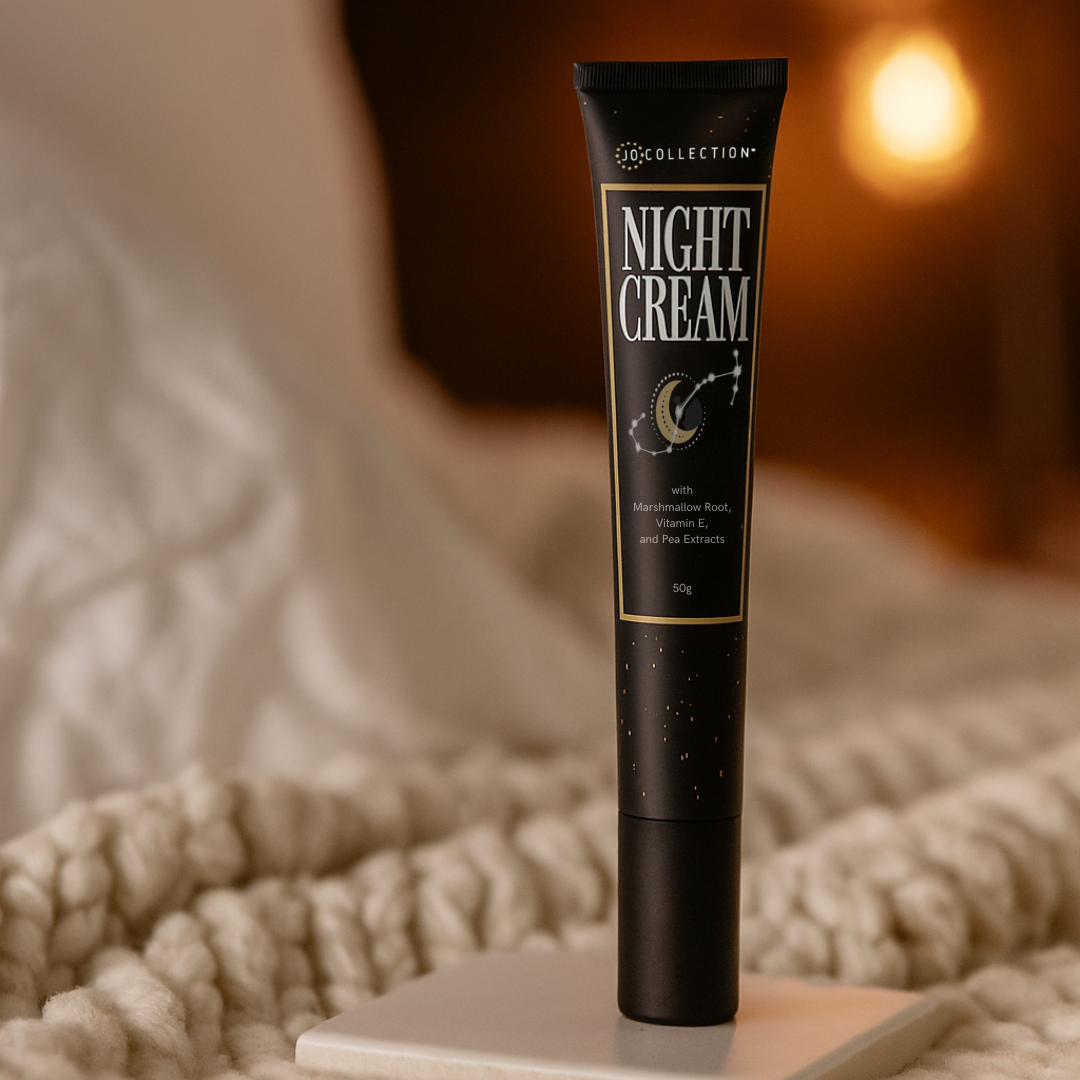
- Moisturizer, night cream, or facial oil last to seal every previous layer in place
Wait about thirty seconds between layers so each product absorbs before the next hits your skin. Longer pauses help pH-sensitive ingredients settle without competing with the ingredient stacked right above. In short, order and pace turn a stack of active bottles into a routine your skin can handle.
According to a Fall 2024 clinical review, vitamin C, retinol, and sunscreen can safely combine when properly sequenced. Therefore, the timing rules exist to protect your skin, not to complicate your daily routine.
Which Actives Can You Layer Skincare Safely With?
Not every active plays nicely with every other one, which is why you cannot layer skincare at random. Some pairings amplify results, while others fight each other or trigger unnecessary irritation on your skin. Here is how to combine the three most common actives without setting off a chain reaction.
1. How to Layer Skincare With Vitamin C and Sunscreen
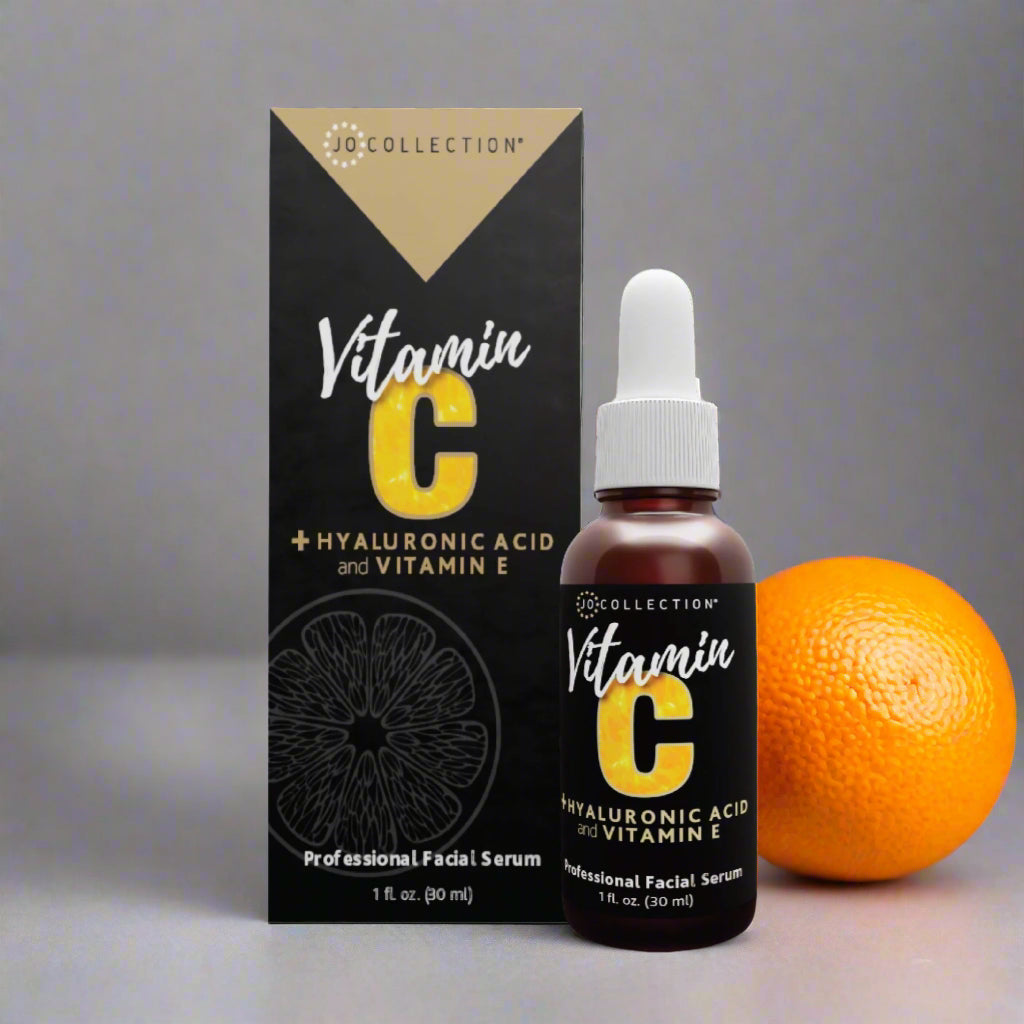
Apply your vitamin C serum in the morning on clean, dry skin before any other product. Wait sixty seconds, follow with moisturizer, and finish with a broad-spectrum sunscreen for full daytime protection. A stable formula like the Brightening Vitamin C Serum sits well under most sunscreens without pilling or breaking down.
2. How to Layer Skincare With Retinol at Night
Reserve retinol for your evening routine, since sunlight breaks down the molecule and increases photosensitivity. Cleanse, wait for skin to dry, then apply retinol before layering a soothing moisturizer on top. A leave-on formula like the Pineapple Peel blends retinol with self-neutralizing acids in one nightly step.
3. Combining Niacinamide With Other Actives
Niacinamide works well with almost everything and helps buffer irritation from stronger actives layered above. Because it stays stable at neutral pH, you can pair it with vitamin C or retinol safely.

Signs You Apply Skincare Too Aggressively
When you layer skincare too aggressively, your face tells you within a week or two. Redness, stinging on application, flaking, or a sudden dullness all point to overloaded actives at once. So the fix is subtraction, pulling one or two products and giving your skin room to recover.
TV Personality Brooke Burke keeps her nightly routine to three steps with one active. She shows her cleanse, treat, protect approach without any stacking or shortcuts. Her restraint mirrors what dermatologists recommend when actives start pushing the barrier past its limits.
Stacking acids with retinol on the same night creates a lipid-strip effect that most skin cannot handle. As a result, tolerated products start burning, and once-clear skin turns rough within a few uses.
Cut back to one active per night for two full weeks whenever irritation appears in your routine. Reintroduce a second active only after your skin looks calm and feels comfortable again during cleansing. When you reintroduce it, follow a natural 28-day rebuild cycle with two nights of use per week.
Ready to Layer Skincare Without the Irritation?
You can layer skincare in a way that supports your face rather than working against it. Order, timing, and restraint carry more weight than the number of bottles on your shelf. So a simple three-step routine often outperforms a ten-product regimen loaded with stacked actives.
Jo Collection built the Nighttime Essentials Kit around this exact principle of gentle, layered simplicity. You cleanse, treat with one leave-on active, and seal with a barrier-supporting night cream. When you want a routine built for real skin, get in touch with the Jo Collection team today.