




Your face refreshes itself on a schedule, and that schedule has a name: the skin cycle. Every glow, dull patch, or breakout ties back to how well your cells are turning over. When you understand the rhythm, you can build a routine that works with your biology rather than against it.
New cells form in the deepest epidermal layer and travel upward over roughly twenty-eight days. Once they reach the surface, they shed and reveal the fresh skin waiting underneath your face. So the glow you want depends on whether that journey completes on time or gets stuck along the way.
What Is the 28 Day Skin Cycle?
The 28 day skin cycle is the natural process where new skin cells replace old ones on your face. Fresh keratinocytes form at the base of the epidermis and migrate upward over about four weeks. When the cycle completes on schedule, dead cells shed evenly and your skin looks brighter and smoother.
What Happens During Your 28 Day Skin Cycle
Your skin cycle runs in the epidermis, the thin outermost layer covering the rest of your body. Cells begin in the basal layer at the bottom and rise through four distinct stages of maturation. Each stage transforms the cell until it reaches the surface as a flat, protective shell called a corneocyte.
The journey moves through four layers, each with a specific role in preparing the cell for shedding. When any layer slows down, the whole cycle backs up and dullness or texture starts to appear. Here is what happens at each stage of the four-week journey from base to surface:
- The basal layer produces fresh keratinocytes through cell division over the first several days
- The spinous layer strengthens the cells with connections that hold the tissue together
- The granular layer fills the cells with proteins and lipids that build the future barrier
- The stratum corneum sheds mature corneocytes at the top to reveal fresh skin underneath
Healthy shedding at the top matches healthy production at the bottom, keeping the layers balanced overall. When the top layer holds onto dead cells too long, your face looks rough, dry, or dull. So the visible glow you want lives in how well the shedding step keeps pace with new growth.
In a healthy twenty-year-old, the full journey takes about twenty-eight days from start to finish. As you age, that timeline stretches, which is why the surface can start to look different by your forties.
Why Your Skin Cycle Slows With Age
The skin cycle slows down as you age, and the change begins earlier than most people expect. According to a 2024 review on cellular senescence in human skin aging, epidermal cell turnover decreases with age. So the same cycle that took four weeks at twenty can stretch to six or eight weeks later.
1. Skin Cycle Changes in Your 30s and 40s
Cell production begins to slow in your early thirties, though the shift is often invisible at first. Fine lines, uneven tone, and lingering dullness usually appear once the delay stretches past forty days. In your forties, the process can double in length, which explains why dead cells build up on the surface.
2. How Sun and Stress Slow the Skin Cycle
Ultraviolet exposure damages cells at every layer, forcing your body to spend energy on repair instead of renewal. Chronic stress raises cortisol, which suppresses the growth signals your basal layer needs to divide properly. As a result, sun and stress together can add weeks to your cycle without you noticing at first.
3. Hormonal Shifts and Cell Turnover
Estrogen supports keratinocyte activity, so declining hormone levels during perimenopause can pull your cycle further off pace. Because collagen production drops in parallel, the skin looks thinner even when surface renewal keeps limping along.
How to Support Your Skin Nightly
You cannot force your skin cycle to run faster than biology allows, but you can remove what slows it. Gentle daily exfoliation helps mature cells shed on schedule instead of piling up on the surface. When you do that nightly, your face keeps pace with the fresh growth happening in the deeper layers.

Brooke Burke, TV Personality, built her nightly routine around this exact idea of daily renewal. She walks through her Pineapple Peel nightly habit with clear, simple steps. Her approach reflects the science of syncing skincare with the 28-day renewal cycle rather than fighting it.
A self-neutralizing chemical exfoliant works with your cycle because it stops on its own once the acids finish. So you get gentle shedding support every night without any risk of over-exfoliating your face.
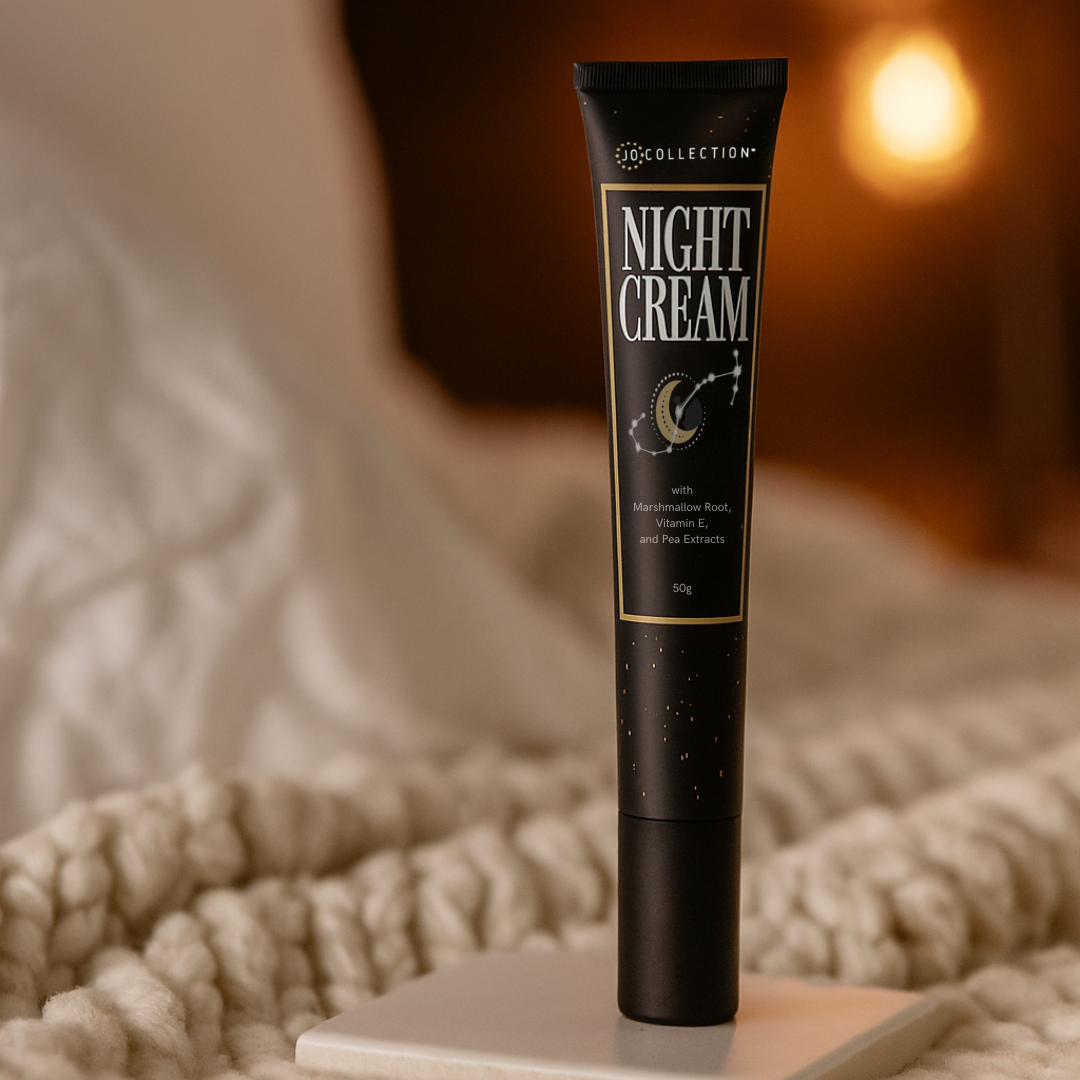
Pair a self-neutralizing exfoliant like the Pineapple Peel with a barrier-supporting night cream so hydration and lipid repair happen together. Read more on the skin cycle science page to see how the ingredients map to each stage. Over four to six weeks of nightly use, the surface change becomes visible in your bathroom mirror.
Ready to Work With Your Natural Skin Cycle?
Your skin cycle sets the pace for how your face looks, and biology gives you a working window. Small daily habits keep the rhythm steady, while harsh interventions or missed steps push it further behind. So the smartest move is a gentle, repeatable evening routine that supports each stage of the journey.
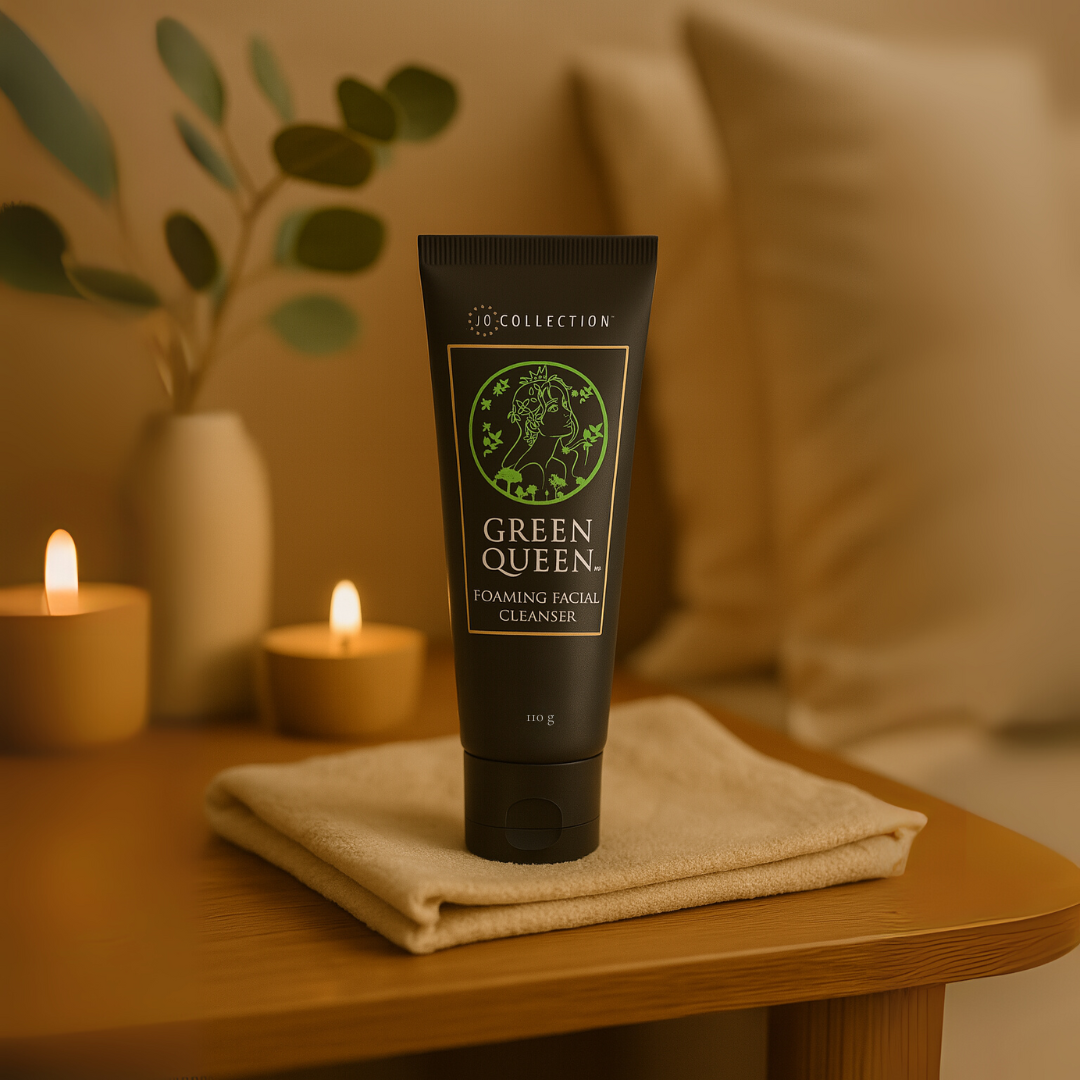
Jo Collection built the Nighttime Essentials Kit as a three-step system that syncs with the natural renewal window. You cleanse, treat, and protect nightly, giving your cycle the support it needs to complete on schedule. When you want a routine matched to your skin, message the Jo Collection team for personal guidance.