

You cleanse every night. You moisturize. You apply the serum your dermatologist recommended. And still, your skin looks the same. Before blaming the products, consider what they are working against. Dead skin cells accumulate on the surface faster than they shed, especially after 35, and that layer blocks everything you apply from reaching the skin beneath it. Exfoliation is the step that clears it, and without it, the rest of the routine is working at a fraction of its potential.
The Layer Between Your Products and Your Skin
Skin generates new cells continuously, cycling through a roughly 28-day renewal process. Old cells move toward the surface and, in younger skin, shed cleanly. With age, however, that shedding slows. Dead cells accumulate instead of clearing. The result shows up as dullness, rough texture, and pores that stay congested regardless of how well you cleanse.
Beyond appearance, that buildup creates a penetration problem. Research published in PubMed confirms that the stratum corneum, the outermost skin layer, is the primary barrier to topical ingredient absorption. In other words, anything applied over a buildup of dead cells absorbs poorly. That includes your vitamin C, your hyaluronic acid, and your retinol. Exfoliation removes that barrier and restores their access to the skin beneath.
Why Chemical Exfoliation Outperforms Physical Scrubs
Physical exfoliation uses friction to remove dead cells mechanically. It works, but it also creates risk. Scrubs and brushes can cause microtears, over-strip the barrier, and leave skin reactive. Chemical exfoliation takes a more precise approach. Acids dissolve the bonds holding dead cells together. The cells shed cleanly, without force, and without the barrier disruption that friction causes.
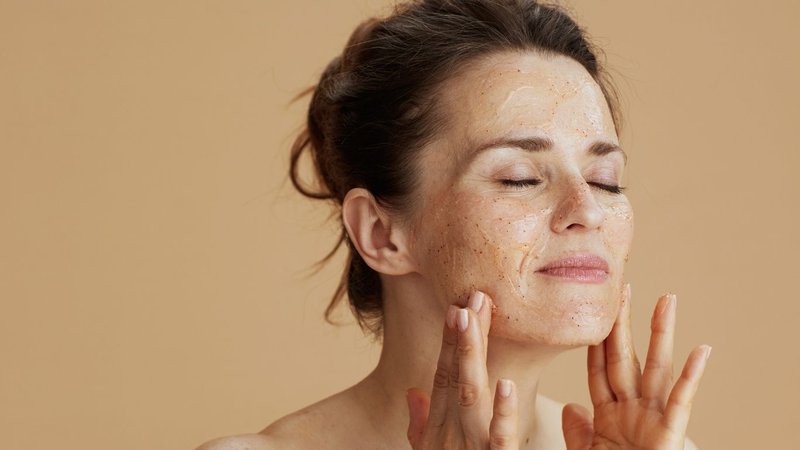
Alpha-hydroxy acids (AHAs) like glycolic acid and lactic acid work on the skin surface. Glycolic acid, with the smallest molecule in the AHA family, penetrates most deeply. Lactic acid exfoliates more gently while also hydrating. Together, they accelerate dead cell removal across the surface. Salicylic acid, a beta-hydroxy acid (BHA), goes further. It is oil-soluble, so it enters the pore and clears congestion where AHAs cannot reach. The International Journal of Cosmetic Science notes that alpha-hydroxy acids help remove dead skin cells and promote cell turnover within the stratum corneum, supporting overall skin health and appearance.
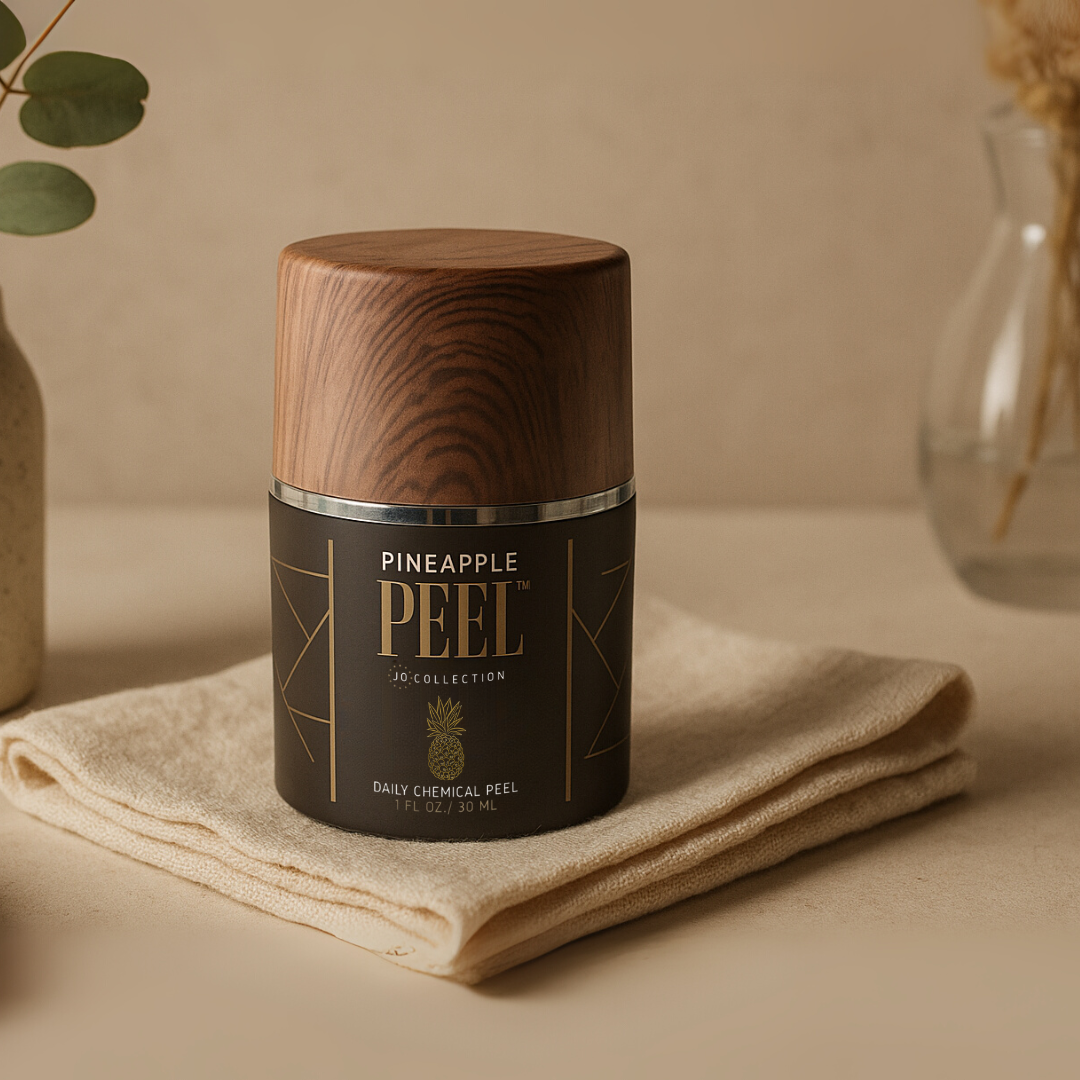
How the Jo Collection Pineapple Peel Makes Daily Exfoliation Possible
Most chemical exfoliants require timing and rinsing. That limits them to weekly or monthly use. The Jo Collection Pineapple Peel removes those constraints entirely. Its formula is self-neutralizing: the acids deactivate once they have done their work. No rinsing, no timing, no risk of over-exfoliation. As a result, the Pineapple Peel works safely every night where most exfoliants cannot.
Daily exfoliation matters because the 28-day renewal cycle is continuous. Consistent nightly use keeps pace with it. That steady rhythm produces cumulative improvement over a full cycle, rather than the peaks and crashes that come from infrequent, high-intensity treatments.
The Exfoliation Sequence That Makes Every Product Perform
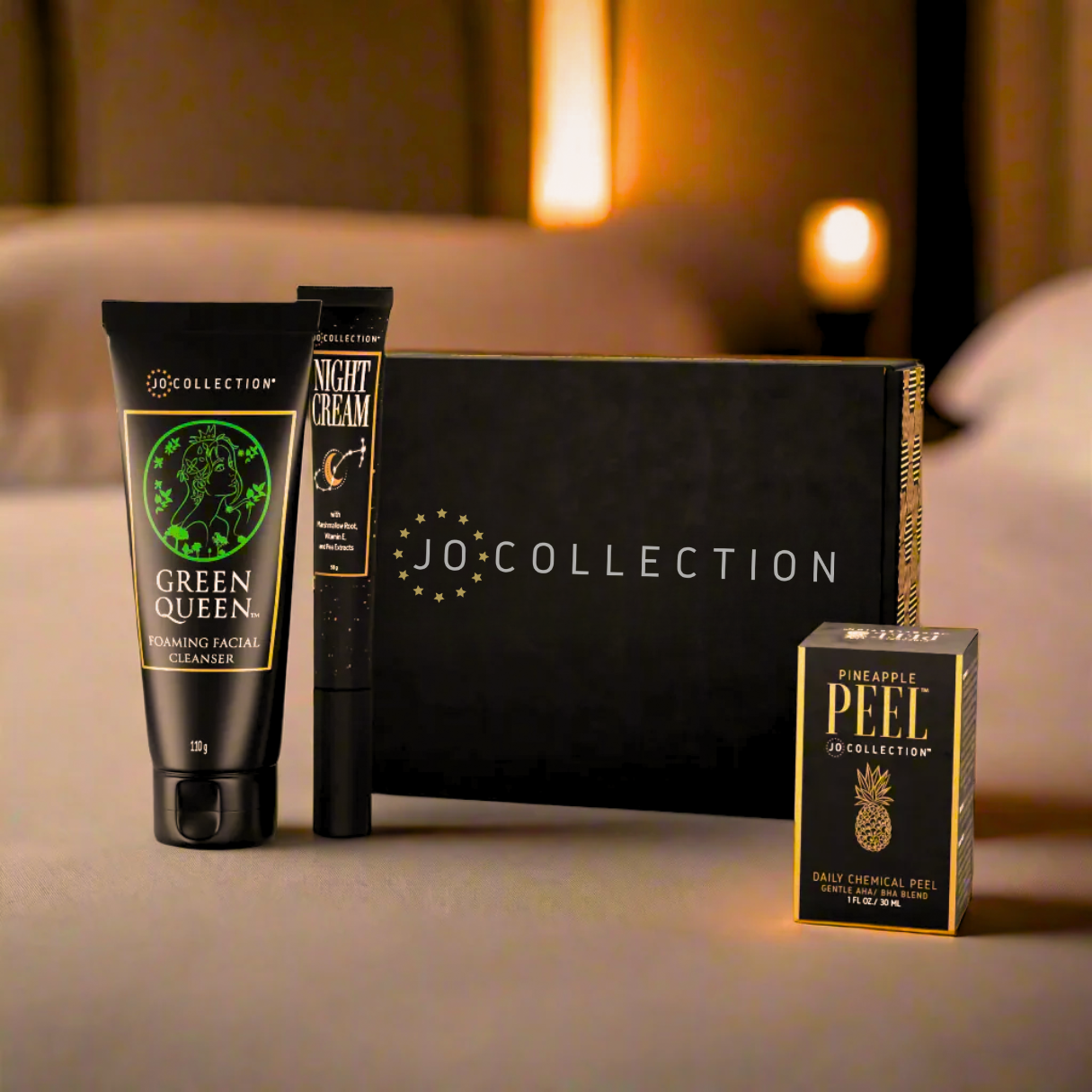
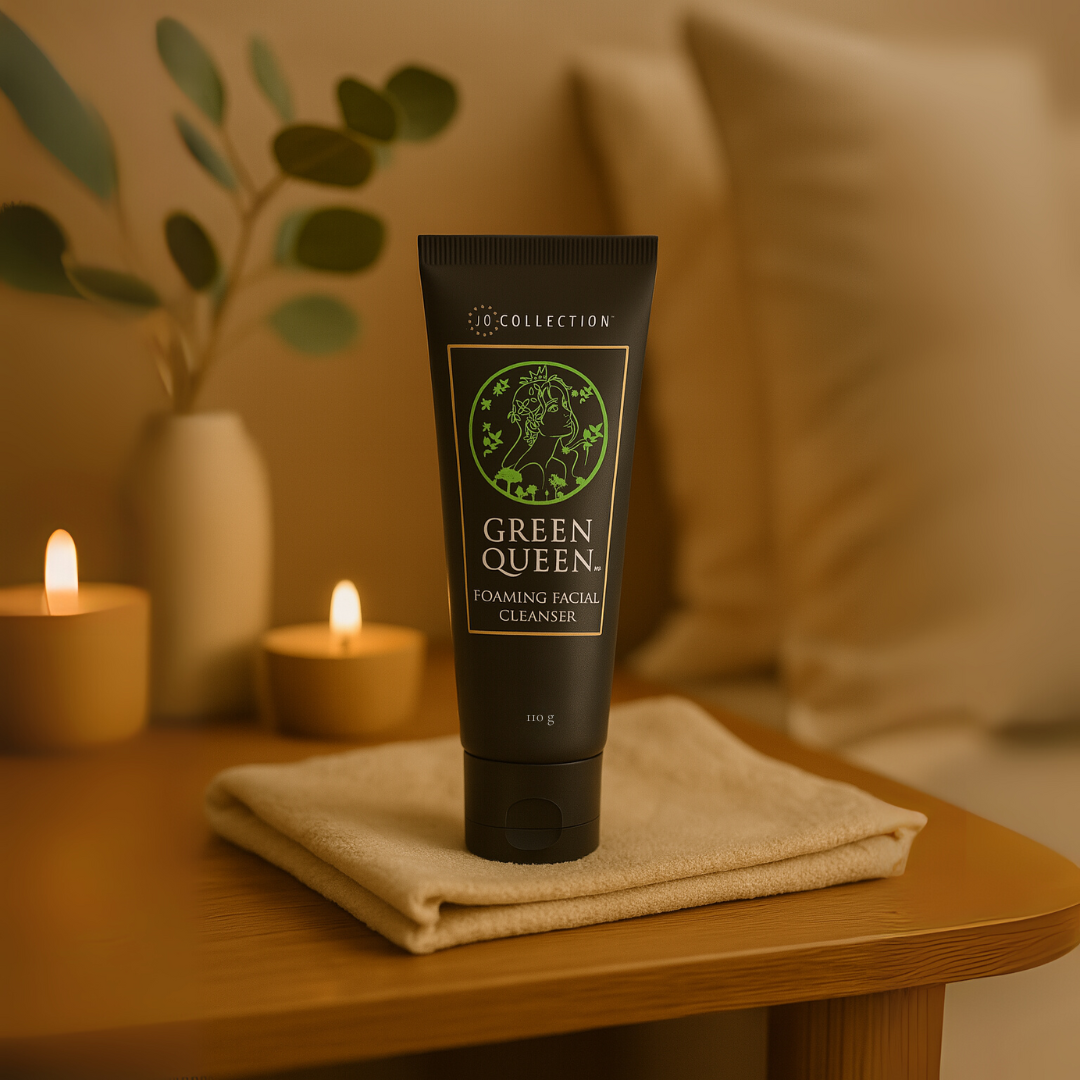
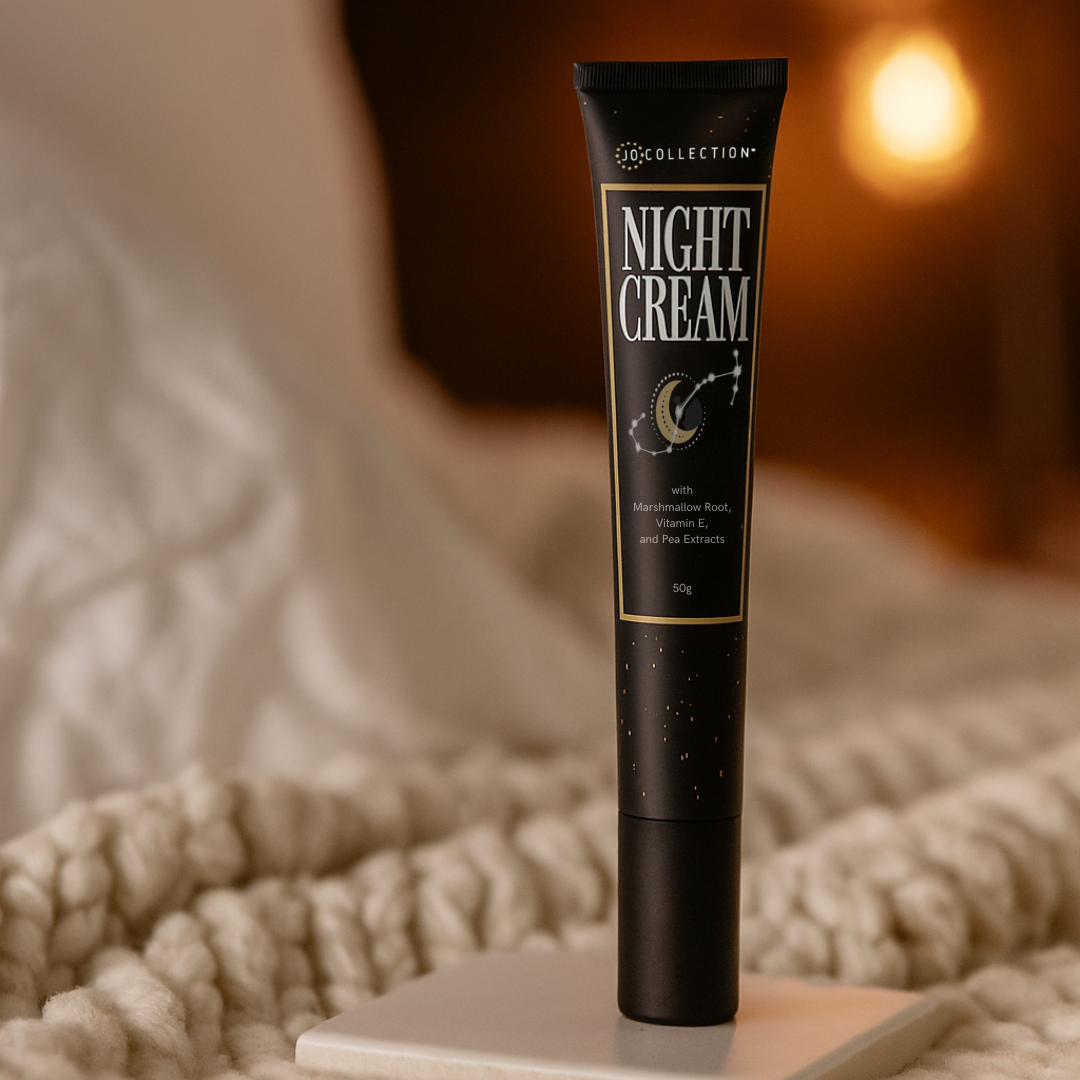
Exfoliation belongs between cleansing and moisturizing for a specific reason. The Jo Collection Green Queen Foaming Facial Cleanser removes surface debris and daily buildup. The Pineapple Peel then removes the dead cell layer the Green Queen alone cannot address. The Jo Collection Hydrating Night Cream that follows absorbs into cleared, prepared skin rather than sitting on a surface barrier.

Change that sequence and the logic breaks down. Moisturizing before exfoliation hydrates the dead cell layer. Exfoliating before cleansing mixes debris into the process. The order is intentional, and the results depend on it.
What Builds When Exfoliation Becomes a Nightly Habit
The first change most people notice is texture. Skin feels smoother because the accumulated surface layer has cleared. Tone starts to even. More importantly, products that seemed ineffective begin to perform, because they are finally absorbing at the level they were designed for.
Over a complete 28-day cycle, the cumulative effect becomes visible. In a 28-day in-home consumer study (n=48), 96% of participants saw healthier-looking skin by day 28. The Pineapple Peel met or exceeded database averages for comparable leave-on exfoliators on key measures including gentle exfoliation and lasting hydration.
If your routine includes quality products but keeps underdelivering, the missing step is almost certainly exfoliation. Add the Pineapple Peel tonight, and give everything else in your routine the surface it needs to finally do its job.